Most of us consider the onion to be a bit of a miracle veggie. Not only are they packed with health benefits, but they also make almost everything taste better! But while they’re a staple in our kitchens, are they actually safe for our furry friends? Let’s dive into whether onions belong in your pet’s bowl.
Dangerous or Not?
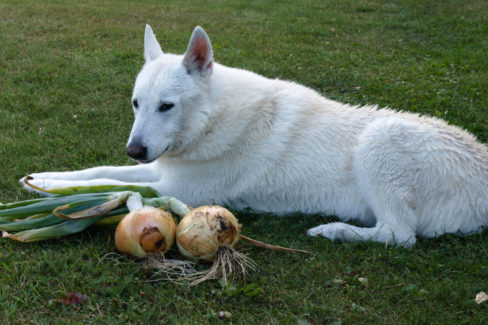
There’s a common myth among pet owners that dogs can pretty much eat whatever we eat. When it comes to onions, though, that assumption can be incredibly dangerous. In the worst-case scenario, feeding your dog onions can be fatal—and it doesn’t matter if they are cooked, raw, or dried. It doesn’t take a huge amount to cause trouble, either. Just five to ten grams per kilogram of body weight can be toxic. To put that in perspective: a single 250-gram onion is enough to put a medium-sized dog in serious danger.
There’s a scientific reason behind this risk. Onions contain sulfur compounds that actually destroy a dog’s red blood cells. While a pup might bounce back from a very mild case of ingestion, you should call your vet immediately if you notice any severe symptoms. Make sure to store your onions well out of paw’s reach! Some red flags to watch for if you suspect onion poisoning include:
- Vomiting and diarrhea
- Loss of appetite
- General weakness
- Pale gums
- Rapid breathing or an increased heart rate
Sprouted Onions: Are They Risky for Us?
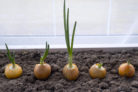
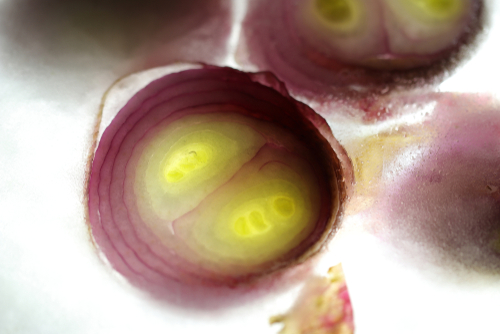
You might have heard that sprouted onions are dangerous for humans, too. People often get them confused with sprouted potatoes, which actually do develop toxins. Luckily, that’s not the case with onions! If you notice a few green shoots popping out of your onions after harvesting, don’t panic. The only real downside is that the onion will gradually lose its flavor and become small and soft as the sprout uses up the bulb’s energy. They aren’t toxic at all.
In fact, sprouted onions are perfectly fine to use in your cooking. If they’ve gotten a bit soft, they’re actually great for slow-cooked dishes like stews or goulash. The green sprout itself tastes a lot like a scallion or spring onion, making it a tasty addition to salads. And if you don’t want to eat it? You can always plant that sprouted onion in your garden to grow a fresh batch!