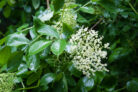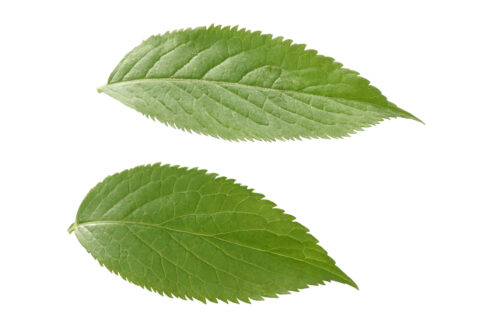
Elderberry is such a cool, versatile plant to have in your backyard. Most of us love using the fragrant flowers and dark berries for sweet treats and homemade syrups, and the leaves have a long history as a medicinal herb. But there’s a big “heads up” you need to know: you should never eat them raw! They contain a toxin called sambunigrin. Here is the lowdown on how to safely handle and use elderberry leaves.
Elderberry leaves are toxic when raw
Every part of the elderberry plant contains sambunigrin. If ingested raw, it can cause severe nausea or even worse, which is why you should never toss these leaves into a raw salad! The good news is that heat neutralizes the toxin. To be safe, you need to boil the leaves for at least 30 minutes to make sure the sambunigrin is completely gone.
Even when cooked, the leaves aren’t exactly a culinary delight—they have a very sharp, bitter taste. Because of that, they aren’t usually used for cooking, but they were a staple in traditional herbal medicine back in the day.
Using elderberry leaves as a natural remedy
Aside from that tricky toxin, elderberry leaves are packed with vitamins, minerals, and essential oils. They are known for their anti-inflammatory and immune-boosting properties, which is why they’ve been used in folk medicine for centuries. Here are a few ways people used to use them:
- Brewed into a tea to help with constipation or to fight off a nasty cold.
- Fresh leaves soaked in lard (old-school style!) to treat eczema, burns, or chilblains.
- Tea-soaked cotton pads applied to the eyelids to soothe tired, puffy eyes.
If you’re looking to harvest them, the leaves are at their most potent between April and June. That’s the best time to head out and gather your elderberry leaves. You can dry them out and store them in airtight containers for later. When you’re ready for a cup of tea, about two teaspoons of dried leaves per cup should do the trick!