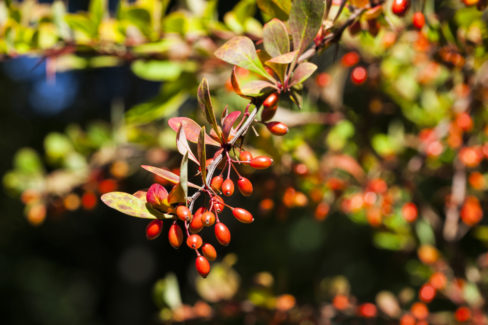
Barberry bushes are famous for being covered in tiny, sharp thorns. Whether you’re planting them or giving them a trim, you really need to protect your hands and skin. But what should you do if one of those pesky thorns actually makes it past your gloves?
Barberry: Nature’s Living Barbed Wire
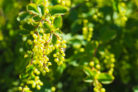
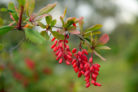
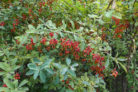
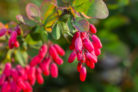
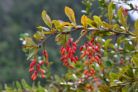
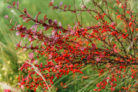
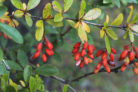
The barberry is covered in sharp thorns along its stems and leaves, which is exactly why gardeners often call it “living barbed wire.”
Are the thorns poisonous?
Almost every part of a barberry plant contains toxins. The highest concentration is found in the roots and the bark of the main stem. While the leaves, flowers, and thorns have much lower levels of toxins, they aren’t completely “clean.” Generally, the thorns themselves aren’t considered poisonous, but you still want to avoid skin contact. In some cases, getting poked by a lot of them at once can trigger an allergic reaction due to those low-level toxins.
How to remove thorns from your skin
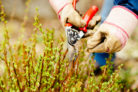
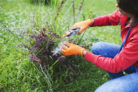
Whether you are planting or pruning your barberry, always wear heavy-duty gloves to keep your fingers safe. If a thorn does manage to get stuck in your skin, here’s the best way to handle it:
- Clean the area thoroughly with warm, soapy water.
- Use a magnifying glass if you need to see exactly how deep the thorn is buried.
- Gently pull the thorn out using a pair of sharp, sterilized tweezers.
- Pro tip: If the thorn is sticking out slightly, you can place a piece of strong tape over it and pull it out that way.
- If the thorn is buried too deep to grab, apply a drawing salve (like ichthammol ointment) and cover it with a bandage overnight. This should bring it closer to the surface by morning.
Watch out for swelling and inflammation
If you don’t notice the thorn until the area is already red, swollen, or inflamed, it’s time to see a doctor. While the thorns aren’t highly toxic, any puncture wound that gets infected can lead to serious issues like blood poisoning if it isn’t treated correctly.
The big difference between prickles and thorns
Technically speaking, barberries have thorns, not prickles (like roses do). Here’s the simple breakdown:
- Prickles sit on the surface of the plant’s “skin” (the epidermis) and snap off easily.
- Thorns are actually modified leaves or stems that are firmly attached to the plant’s vascular system. Because they are part of the branch itself, they don’t break off easily—which is why they can cause much deeper scratches and punctures.