Thinking about adding a birch tree to your backyard? There are plenty of reasons to love them, but there’s one big “but” you need to consider: the roots! If you don’t keep an eye on how these guys spread, you might find yourself facing some unexpected headaches down the road. You see, birches are shallow-rooted trees with a serious need for personal space.
Birch roots need room (and fast!)
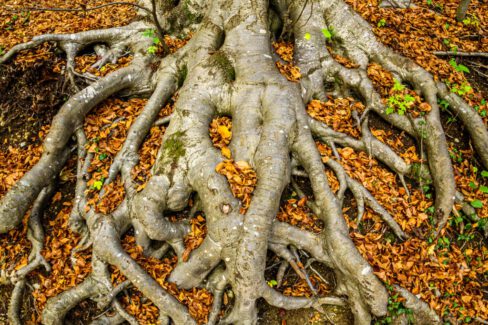
When you first plant a birch, it’s just a cute little sapling. Don’t let that fool you! This species is famous for its rapid growth rate. Every new inch of canopy needs to be fueled by water and nutrients, which means the roots have to grow just as fast. Since birches are shallow-rooted, their root systems stay in the upper layers of the soil, spreading out horizontally until they match—or even exceed—the width of the branches above.
If you plant one in a spot that’s too tight, the tree won’t thrive, and those roots will start looking for trouble. We’re talking about lifting up patio pavers or crowding out your other shallow-rooted perennials. To avoid the drama, give your birch several yards of breathing room. If you don’t want the area around the trunk to look bare, try pairing it with deep-rooted plants that won’t compete for the same real estate.
Quick Tip:
While birches aren’t too picky about soil types, try to avoid planting them in bone-dry dirt. If the tree is thirsty, those roots will wander even further in search of a drink.
Summer watering: A must-do
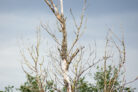
Because their roots stay near the surface, birches feel the heat much faster than deep-rooted trees during a dry spell. When the topsoil dries out, the tree loses its water source. You’ll know your birch is stressed if you see yellow leaves or premature leaf drop. With summers getting hotter, we’re unfortunately seeing more birches struggle. In your own garden, the best way to help is to keep a consistent watering schedule during those heatwaves.
Watch out for the wind!
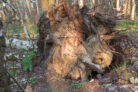
Since they don’t have a deep “anchor” like taprooted trees, birches aren’t always the most stable in a storm. High winds can actually rip the tree right out of the ground, roots and all—especially if it was planted too close to other shallow-rooted trees and couldn’t develop a strong foundation. To keep things safe, here are a few pointers:
- Don’t overwater saplings; let them work a little so they grow a more robust root system.
- Stake young trees early on for extra support.
- Keep them away from power lines, driveways, or play areas.
- Avoid planting them right next to high-traffic spots in the yard.
Birches on the balcony
If you’re growing a birch in a container, the secret is to limit the root growth. If the roots get too much room, the canopy will quickly become too big for a balcony. Usually, a pot about the size of a standard bucket is plenty to keep it manageable.