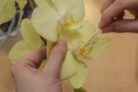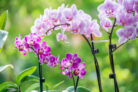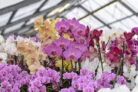
Orchids have been a favorite for indoor gardeners for a long time, and it’s easy to see why! However, some varieties can be a bit “diva-ish,” only showing off those stunning blooms if everything is absolutely perfect. If you’re just starting your orchid journey, I always recommend sticking with a few hardy, beginner-friendly species first.
Easy-to-Grow Varieties for Beginners
If you want to dive into the world of orchids without the stress, these two are your best bet:
- The Phalaenopsis (Moth Orchid)
- The Dendrobium
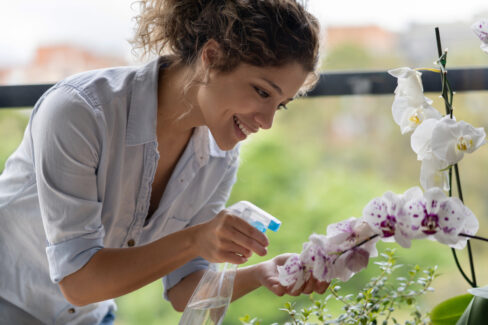
Both of these types are super rewarding because they bloom regularly and put on a spectacular show, even if you’re not a pro yet. As a general rule of thumb, remember: orchids hate “wet feet,” so water sparingly, but they love a bit of humidity. Don’t forget that regular fertilizing is the secret sauce for healthy growth and those big, beautiful flowers we all love.
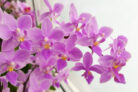
Phalaenopsis – The Moth Orchid
The Phalaenopsis has become the go-to orchid for pretty much everyone. You can find these “Moth Orchids” almost anywhere these days, from garden centers to the local grocery store, in tons of colors and sizes. But even though they’re common, they still need a little TLC to thrive.
- Find a bright spot for them, but keep them out of direct, harsh midday sun—it can actually scorch their leaves.
- They love consistent, warm room temperatures all year round.
- From April to October, give them some orchid fertilizer about once every four weeks.
- When it comes to water, less is more. Use room-temperature, filtered water (or rainwater) and either water lightly or give the pot a quick soak and let it drain completely.
Dendrobium Orchids
Dendrobiums might not be quite as famous as the Moth Orchid, but they are just as easy to care for and usually produce a massive amount of flowers. Here’s what you need to know:
- Like their cousins, they want a bright, warm home.
- They aren’t as picky about water; normal tap water is usually fine, just make sure it’s not ice-cold.
- Plan on repotting your Dendrobium into a slightly larger container every three to four years.
One thing to keep in mind: Dendrobiums need a “nap” after they finish blooming. During this rest phase, move them to a cooler spot (around 60-65°F during the day and 50-55°F at night). Cut back on the watering and stop fertilizing entirely until they’re ready to grow again.
Orchids as Houseplants
Most orchids, including the two we just talked about, are strictly indoor plants. They really don’t like big temperature swings or drafty spots, so they usually won’t be happy out on a balcony or patio. Keep them cozy inside, and they’ll reward you with gorgeous blooms for years to reach!