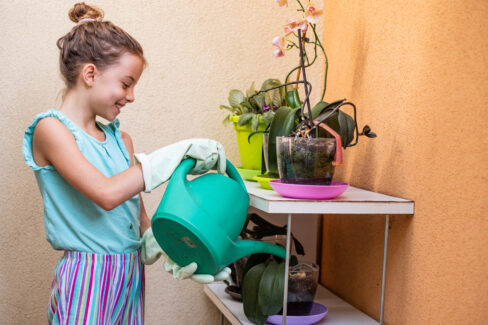
To get those exotic orchids growing strong and showing off a stunning display of blooms, you’ve got to make sure they’re getting enough water and nutrients. Think of regular fertilizing as a non-negotiable part of your orchid care routine!
Orchids Need Their Nutrients
In the wild, most exotic orchids are epiphytes, meaning they grow high up on trees or rocks in tropical rainforests. They use their many aerial roots to soak up moisture and nutrients right from the air and their surroundings. When we grow them as houseplants, they don’t have that natural environment to lean on, so they rely on us to provide those nutrients through regular feeding.
Choosing the Right Fertilizer
When it comes to picking a fertilizer, you have plenty of options. The most important thing is to check the label for the right ingredients. For a well-rounded diet, your orchid needs these key components:
- Nitrogen (N)
- Phosphorus (P)
- Calcium (Ca)
- Magnesium (Mg)
- Potassium (K)
When to Fertilize
You’ll want to feed your orchids regularly during their active growth phase and their blooming period. If you’re using a liquid fertilizer, every two to four weeks is usually the sweet spot. Depending on the variety, many orchids enter a dormant phase after they finish blooming. During this “nap,” you should cut back on watering and go very easy on the fertilizer—or skip it altogether.
Only start your regular feeding schedule again once the dormant phase is over and you see new shoots or leaves popping up.
Different Types of Orchid Fertilizer
You’ve got a few choices when it comes to how you feed your plants, but here’s a golden rule: always use a fertilizer specifically formulated for orchids. Standard potting soil or garden fertilizers are often too harsh and can actually cause permanent damage to those sensitive exotic roots.
Stick to these orchid-friendly options:
- Liquid orchid fertilizer (quick-acting)
- Fertilizer sticks (slow-release)
- Organic fertilizers
Liquid Orchid Fertilizer
You can find specialized liquid orchid fertilizers at most garden centers. These are great because they’re tailored specifically to what exotic plants need. You can mix the liquid right into your watering can or add it to a spray bottle to mist the aerial roots.
Just be sure to follow the dosage instructions on the bottle to avoid over-fertilizing, which can hurt the plant. During their winter break, orchids without blooms shouldn’t be fertilized. Wait until you see new growth before adding it back to your watering routine.
However, if your orchid is blooming during the winter, it will appreciate a little food—just use a bit less than you would in the summer.
Slow-Release Fertilizer Sticks
If you’re looking for a low-maintenance option, fertilizer sticks are a great way to go. You push them all the way into the substrate, and they slowly release nutrients every time you water. Just make sure you’re watering thoroughly so the sticks can dissolve properly and distribute the nutrients evenly to the roots.
Organic Fertilizers
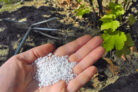
If you’re growing hardy outdoor orchids—like the Lady’s Slipper or other varieties native to Europe—organic options work beautifully. Things like compost, leaf mold, horn shavings, or guano granules are perfect for garden beds or outdoor pots.
Exotic indoor orchids have a harder time absorbing nutrients from these heavy organic materials through their aerial roots. For these indoor beauties, look for specialized organic sprays made from things like horsetail extract, guano, or worm humus.
Foliar Feeding (Leaf Fertilizing)
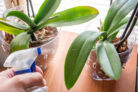
When fertilizing, you generally want to avoid pouring concentrated fertilizer directly onto the roots or substrate. To keep the leaves looking lush and green, you can use special “vitality sprays” packed with nutrients designed for leaf growth.
Regularly misting the leaves with these sprays provides moisture and nutrients while boosting the humidity around the plant. Plus, it gives the leaves a healthy, beautiful shine!
Pro tip: Spray your plants in the morning so they have time to dry off before evening. And remember—only mist the leaves and aerial roots; keep the spray away from the delicate flowers.
Boosting Nutrient Absorption
To help your orchid get the most out of its “meals,” you might want to try a supplement like Hesi Root Complex. It doesn’t contain nutrients itself, but it preps the roots to absorb them more efficiently. It’s also a lifesaver for reducing stress when you’re repotting your orchid—just use it before and after the move to help your plant settle in!