Dendrobium orchids—often called “cane orchids”—are right up there with Phalaenopsis as some of the best choices for beginner plant parents. They’re super easygoing and low-maintenance, and that goes for pruning, too!
Dendrobiums are sympodial growers
Dendrobiums have a specific growth habit. Unlike the common Moth Orchid (Phalaenopsis) which can bloom multiple times from the same spike, Dendrobiums typically only bloom once per cane. Once a cane has finished its flowering cycle, it will eventually dry up, and that’s your cue that it’s okay to trim it back.
Dealing with dried-out parts
It’s totally normal for parts of your orchid to dry out over time—it’s just the circle of life! Here’s how to handle it:
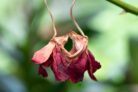
- Let wilted flowers fall off on their own, or give them a very gentle tug.
- Do the same for yellow or crispy leaves.
- Only cut back canes that are completely dried out and shriveled all the way to the base.
How to prune your Dendrobium the right way
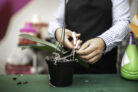
The best time to reach for your shears is right after the blooming season ends and the plant has dropped its faded flowers. If there are still a few dead blooms hanging on, you can just pluck them off. As a general rule, you should only cut off a flowerless cane if it has turned brown and dried out.
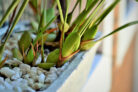
Whatever you do, don’t cut green canes! Even if they don’t have flowers right now, they act as a “pantry” for the plant, storing vital nutrients. Plus, with the right care, they can even sprout new side shoots with fresh blooms.
When you do have a dead, dried-out cane, trim it down to about an inch above the base. Make sure to use a sharp, sterilized knife or garden snips, and be extra careful not to nick any of the healthy, living canes nearby.
Trimming the roots
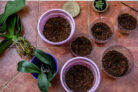
When it’s time for repotting, it’s a great idea to check if your orchid needs a root trim. You’ll want to clear away any old, mushy, or shriveled roots. A pro tip: mist the root ball with water first. Healthy roots will turn a vibrant green, while the dead ones will stay brown or gray.
Pruning won’t force new flowers
Unlike some garden shrubs, pruning a Dendrobium won’t actually trigger new growth or more flowers. If you’re looking to encourage a new round of blooms, your best bet is to move the plant to a cooler spot for a few weeks after its growth phase. Dropping the temperature to around 40-45°F (about 5°C) is often the “secret sauce” for getting those buds to form!