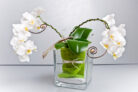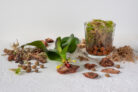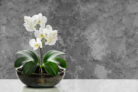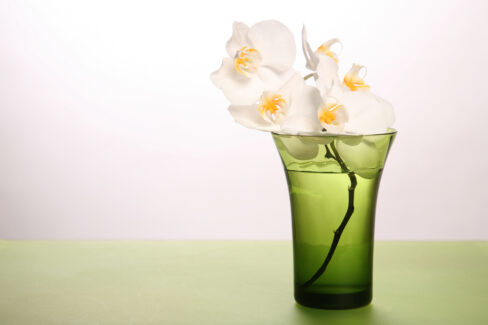
Most of us are used to seeing orchids in standard plastic pots or maybe mounted on a piece of driftwood. But did you know these exotic beauties look absolutely stunning in glass vases? Growing orchids in glass isn’t just a design choice; it’s a great way to show off those fascinating root systems. Here is everything you need to know to make your “glass culture” orchids thrive.
The Perks of Using Glass Vases
The biggest advantage of using glass vases is the light! Unlike ceramic or plastic pots, transparent glass lets sunlight reach the roots directly. Since many orchids have roots that actually perform photosynthesis, this extra light can give your plant a serious energy boost.
A Few Challenges to Keep in Mind
While it looks gorgeous, glass culture does require a bit more attention than traditional potting. The main thing to watch out for is watering. Because most glass vases don’t have drainage holes, it’s easy for water to pool at the bottom. To prevent root rot, you’ll need to set up a solid drainage layer.
Also, keep an eye on the temperature. Glass can act like a magnifying glass in the sun, heating up the roots quickly. You’ll want to avoid placing your glass-grown orchid in harsh, direct sunlight—though that’s a good rule of thumb for orchids in any container!
Which Orchids Love Glass?
Both epiphytic (air-growing) and terrestrial (soil-growing) orchids can work in glass. You can use traditional orchid bark or get creative with decorative elements. Vanda orchids are the superstars of glass culture because they grow beautifully without any substrate at all. However, the ever-popular Phalaenopsis (Moth Orchid) also does surprisingly well in a glass setup.
Choosing the Right Glass
When picking out a container, size and shape are key. Make sure the vase fits the size of your orchid comfortably. You don’t want to cram or snap those brittle aerial roots; they need enough room to breathe and grow.
Depending on the look you’re going for, you can use tall cylinders, fishbowl shapes, or even shallow glass dishes. Just make sure the plant is stable so it doesn’t tip over. Mixing and matching different vase heights and orchid varieties can create a really eye-catching display on a sideboard or windowsill.
How to Pot Your Orchid in Glass
There are two main ways to set up your glass display, depending on your style:
- Using specialized orchid substrate (just like a regular pot).
- Using decorative elements for a more modern look.
Filling Glass with Orchid Substrate
If you want to stick to what your orchid knows, you can use standard orchid bark. The process is very similar to repotting in a normal pot. The big difference? Since there’s no drainage hole, you should start with a layer of expanded clay pebbles (LECA) at the bottom to act as a reservoir and keep the roots from sitting in water.
Using Decorative Elements
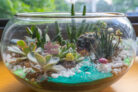
Epiphytic orchids like Vandas can technically grow “naked” in a vase, but they stay happier if there’s a little moisture nearby. Try putting a layer of substrate at the bottom and filling the gaps with decorative glass beads or pebbles. You can even top it off with a bit of green sphagnum moss for a polished look.
A Note on Moss
Avoid growing your orchid *only* in moss. While moss is great at holding moisture (and is often found in orchid mixes), packing it too tightly in a glass vase is a recipe for disaster. Without airflow, the moisture gets trapped, leading to mold and rot. If you love the look of moss, mix it with some chunky bark to keep things airy.
Finding the Perfect Spot
An orchid in glass has the same basic needs as any other: a bright, warm, and airy location. Most orchids are happiest between 68°F and 86°F (20-30°C).
Just remember: no direct midday sun and keep them away from drafty windows or hot radiators. If the weather is nice, glass-grown orchids can even spend some time outdoors on a protected balcony or patio.
Care and Maintenance
Caring for an orchid in glass isn’t much different from the usual routine, but watering and fertilizing require a specific technique. To water, fill the vase until the roots are submerged, let them soak for a few minutes until they turn bright green, and then carefully pour *all* the water out.
To keep humidity high, give the aerial roots a quick mist with lukewarm, filtered water. On hot summer days, your orchid will definitely thank you for a little extra spritz!