Orchids have become one of the most popular houseplants out there, and honestly, it’s easy to see why—they look absolutely stunning on a sunny windowsill! But before you grab a bag of potting mix, it’s important to know that not all orchids are created equal. Different species have very different growth habits, which means they don’t all want to be treated the same way.
Where Do Orchids Come From?
Most of the orchids we know and love hail from tropical or subtropical rainforests. However, you might be surprised to learn that there are even orchid species native to Germany and other temperate regions! Generally, you can categorize orchids into two main groups based on how they grow:
- Epiphytes
- Terrestrial species
Epiphytic Orchids
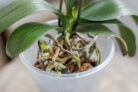
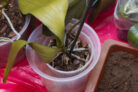
The vast majority of orchids are epiphytes. In their natural habitat, these are “air plants” that grow high up on tree branches or rocky cliffs. Up there, the thick canopy protects them from harsh, direct sunlight while they soak up plenty of moisture from the humid air. Epiphytic orchids develop aerial roots that they use to cling to their perch. These roots are also experts at pulling water and nutrients right out of the environment.
The most famous epiphytic orchids are:
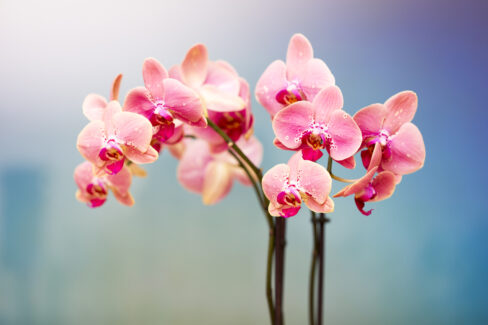
- The Phalaenopsis (or Moth Orchid)
- Various Dendrobium species
Terrestrial Orchids
While most orchids like to hang out in trees, some species are terrestrial. These grow on the ground in soil, just like most other plants. You’ll also find some “semi-terrestrial” types that are a bit of a hybrid, growing both aerial and ground roots—Cymbidium orchids are a great example of this.
Some of the most well-known terrestrial orchids include the Lady’s Slipper and the Orchis (Early Purple Orchid) native to Europe. Just a quick heads-up: orchids growing in the wild are often protected by conservation laws, so please don’t pick or dig them up!
Caring for Your Orchid Through the Growth Phases
Very few orchids bloom non-stop all year round. Most species need a little “me time” after their blooming period ends. During this dormant phase, it’s best to move your plant to a slightly cooler spot and hit the pause button on fertilizing.
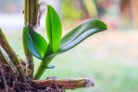
However, when your orchid is in its active growth phase—pushing out new bulbs, leaves, spikes, buds, and roots—proper care is everything. Keep your orchid hydrated by misting the aerial roots with lukewarm water and giving the root ball a good soak regularly. A steady supply of fertilizer is also key to keeping your orchid vibrant and healthy!