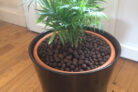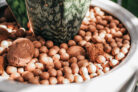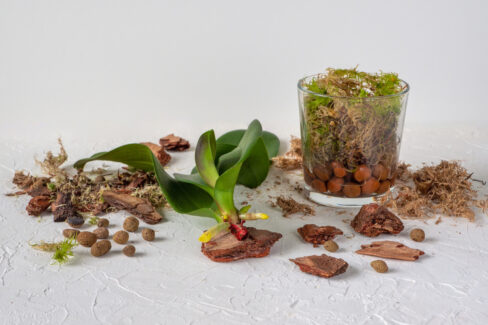
Believe it or not, orchids don’t actually *need* traditional bark or moss to thrive. If you’re looking to try something a little different, these exotic beauties can actually do quite well in hydroponics! It takes a bit of a special touch, but I’m here to walk you through exactly how to set your orchids up for success in a water-based system.
What You’ll Need for Your Hydroponic Setup
To get started, you’ll want a clear orchid pot (so you can keep an eye on those roots!) along with a few other essentials:
- Expanded clay pebbles (LECA),
- A water level indicator (highly recommended for beginners!),
- An outer decorative pot (cachepot),
- And a specialized hydroponic nutrient solution designed for orchids.
Transitioning Your Orchids to Hydroponics
If you’re planning to move an orchid from traditional bark over to hydro, my best advice is: be patient! Switching a plant that has lived in substrate for years isn’t always a guaranteed success, and occasionally, the shock can be too much for the plant. For the best results, I recommend choosing a younger orchid. They tend to be much more adaptable and handle the “big move” way better than older plants.
Getting Ready
Timing is everything! The best window to switch your orchid over is between January and May, which is when most orchids are busy pushing out fresh new roots. Start by taking the orchid out of its old pot and carefully trimming away any dried-out or mushy, rotted roots.
Setting Up the Hydro Culture
Now for the fun part—putting it all together! Here’s the step-by-step:
- Fill the bottom of your pot with a layer of clay pebbles and position your water level indicator.
- Gently “nestle” the orchid roots into the pebbles, then fill the rest of the pot with the remaining clay substrate until the plant is secure.
The Secret to Water Roots
Here’s a little “pro tip”: the roots your orchid has right now are aerial roots. They’re used to grabbing moisture from the air, not sitting in water. If you submerge them completely, they’ll rot. Over time, however, the orchid will grow specialized “water roots” that are perfectly happy growing directly into the reservoir.
In the beginning, keep your water level low—no more than about an inch (two to three centimeters). The clay pebbles will wick the moisture upward to the roots through capillary action. Just keep an eye on that water level indicator to know when it’s time for a top-off.
Feeding Your Hydro Orchid
Since there’s no organic matter to provide nutrients, fertilizing is key to getting those stunning blooms we all love. For hydroponics, a specialized nutrient solution works much better than standard orchid fertilizer. About every two to three months, add a teaspoon of the nutrient solution to your water. That’s it—no extra feeding required!