Some herbs are here for a good time, not a long time, lasting only a single summer. Others grow into massive, woody shrubs that take over the garden. But right in the middle, we have the “sweet spot” of the herb world: herbaceous perennials. While their stems might die back after the first frost, don’t let that fool you! Their roots are hardy, and they’ll come back bigger, lusher, and more beautiful every single spring.
The Magic of Perennial Herbs
When they’re in full bloom, many of these herbs can hold their own against any ornamental flower. So, why not design a garden bed specifically for them? Not only do the fresh shoots add a burst of flavor to your cooking, but you can also enjoy them year-round by freezing or drying your harvest. Here are some great candidates for your perennial patch:
- Low-growers: Thyme and chives
- The tall crowd: Mugwort and lovage
- Middle-of-the-road: Winter savory, tarragon, lemon balm, mint, oregano, and sorrel
You can also mix in “sub-shrubs” like sage, lavender, and rosemary—they play very well with others. One pro tip: skip the annual herbs in this specific bed. Since they have to be replanted every year, digging them in and out creates too much disturbance for the established root systems of your perennials.
Prepping Your Herb Bed
Whether you’re going for a classic herb garden or a fancy herb spiral, your plants need a solid foundation. To give them the best start, keep these prep steps in mind:
- Plant in the spring (April or May) or fall (September or October).
- Pick a sunny spot.
- Loosen the soil deeply; if it’s heavy, mix in some sand for drainage.
- Clear out every last weed and any large stones.
- Work a little compost into the surface before you start planting.
Getting Your Herbs in the Ground
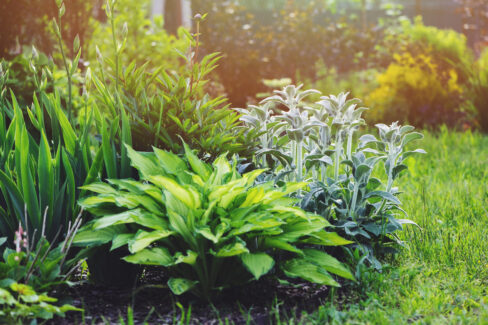
When it’s time to plant, set your herbs just a tiny bit deeper than they were in their nursery pots. Think about their height when deciding where they go: tall guys in the back, medium in the middle, and shorties up front. Generally, you’ll want to leave about 14 inches (35 cm) between plants. For “space hogs” like lovage and oregano, give them even more room to breathe.
And hey, don’t feel like you have to stick strictly to herbs! Mixing them with traditional flowering perennials is a fantastic way to get creative with your herb garden design.
Quick Tip:
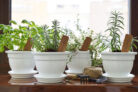
Before you commit and start digging holes, set the herbs (still in their pots) out in the bed. Move them around until you find the perfect arrangement that looks just right to you!