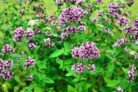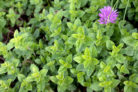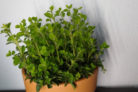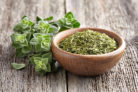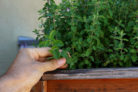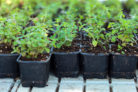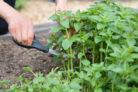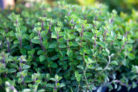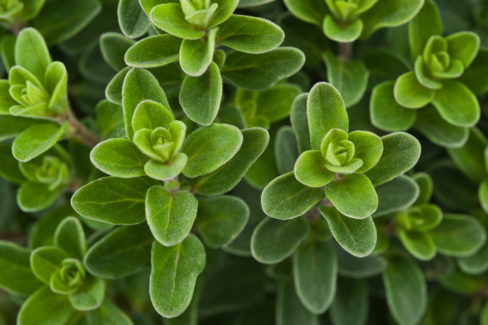
Did you know that the oregano family is actually a huge, diverse group of plants? Most people think oregano is just one thing, but these relatives don’t always look—or taste—exactly alike. From hardy garden staples to spicy specialty herbs, there’s a whole world of flavor to explore. Let’s dive into the different varieties and see which one might become your new kitchen favorite!
Wild Marjoram – Origanum vulgare
If you’re looking for a tough-as-nails plant, this is it. Wild marjoram is a robust, hardy variety that handles cold weather like a pro. You can plant it directly in your garden bed and expect it to come back year after year.
Sweet Marjoram – Origanum majorana
While this variety is a classic, keep in mind that it’s usually grown as an annual in most US climates. You’ll need to sow new seeds every spring. It has a lovely, delicate flavor that’s perfect for hearty comfort foods like roasted potatoes and stews.
Ornamental Oregano – Origanum laevigatum aromaticum
The name says it all—this one is a showstopper! It produces way more blooms than other varieties and has a much more intense fragrance. It’s a great addition to any herb garden, but it does appreciate a cozy layer of mulch or a protective cover during the winter months.
Pro Tip:
The bees will absolutely love you for planting this one! And don’t worry, you can enjoy the flowers too—they’re completely edible.
Greek Oregano – Origanum heracleoticum
This is the “pizza herb” we all know and love. It thrives all summer long in a very sunny spot. However, it’s a bit sensitive to the cold. Make sure to cover it with some evergreen boughs or straw right before the first frost hits. It’s the perfect choice for homemade pizzas or seasoning ground meat dishes.
Dittany of Crete – Origanum dictamus
This variety is easily recognized by its fuzzy, woolly leaves that give the plant a beautiful silvery-white shimmer. Even though it grows at high altitudes in Crete, it’s surprisingly not frost-hardy. Your best bet is to grow this oregano in a pot so you can bring it indoors to overwinter when the temperature drops.
Peppery Oregano – Origanum samothrake
With an aroma so intense it’s a favorite in gourmet kitchens, this variety packs a punch. Because it can’t handle freezing temperatures, it’s definitely a “pot plant”—keep it in a container so you can move it to a protected spot in the winter.
Hot & Spicy Oregano – Origanum hybride “hot & spicy”
If you like a little kick, this is the herb for you! It has a sharp, spicy flavor that pairs beautifully with fiery dishes like chili con carne. It isn’t quite hardy enough for cold winters, so be sure to give it some extra protection or bring it inside.
Syrian Oregano – Origanum syriacum (or Origanum maru)
This is a star ingredient in Za’atar, the famous Middle Eastern spice blend. In its native habitat, this perennial is often harvested wild. You can grow it yourself in a container, or if you live in a very mild climate, you might even get away with planting it directly in the ground.