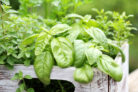
Having fresh herbs right at your fingertips is the ultimate game-changer for any home cook. For many of us, a windowsill herb garden isn’t just a convenience—it’s a necessity if you’re living in an apartment without a backyard or balcony. Here is how you can grow a thriving, long-lasting indoor herb patch.
East and West-Facing Windows are the Sweet Spot
Ideally, you’ll want your herb garden in the kitchen so you can snip what you need while you’re standing at the stove. Of course, you can grow them in any room, but the direction the window faces is the real deal-breaker. Herbs are sun-worshippers; they need plenty of light and warmth to thrive.
Windows facing East or West are usually your best bet. North-facing windows tend to be too gloomy, though you might get away with shade-tolerant herbs like parsley or chives. South-facing windows can actually get *too* hot, especially in the summer. If you’re using a southern exposure, you’ll either need to move your pots back a few inches on scorching days or stick strictly to sun-loving Mediterranean varieties.
The Best Herbs for Your Windowsill
Annuals, biennials, and even some tropical varieties do great indoors. Here are my top picks:
- Basil
- Savory
- Dill
- Ginger
- Chervil
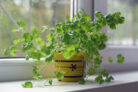
- Coriander (Cilantro)
- Cress
- Turmeric
- Parsley
- Chives
- Lemongrass
Setting Up Your Herb Garden
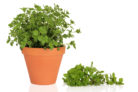
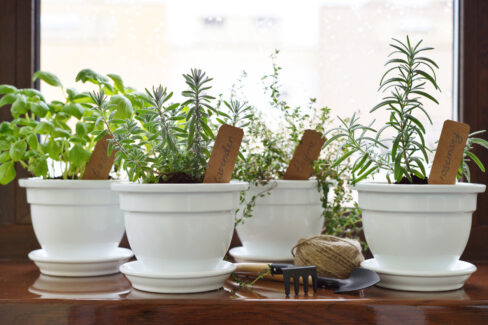
You can give each herb its own individual pot or group them together in a long window box. If the weather is nice and you have the space, feel free to move your herb box to the *outside* of the windowsill—the extra fresh air and direct sun will actually make the leaves more aromatic. You can buy starter plants at any garden center and repot them into larger containers with high-quality soil, but honestly, starting from seed in early spring is just as easy and super rewarding.
Pro Tip:
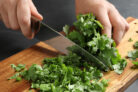
If your windowsill garden is growing faster than you can eat it, don’t let it go to waste! Most herbs are easy to dry or freeze so you can use them for months. You can even juice your herbs for a healthy nutrient boost.
Care and Common Challenges
One thing to watch out for: indoor gardens can be a magnet for aphids, especially when the air gets dry from the heater in the winter. Keep a close eye on your plants and treat or remove any infested ones immediately. Generally speaking, small indoor pots need a little more “TLC” and more frequent watering than herbs growing outdoors in a stone herb spiral.
Winter Protection
If you keep your herbs on an exterior windowsill, remember they can freeze when the temperature drops. In milder climates, a little cover of evergreen branches or burlap might do the trick. However, in colder regions, you’ll need to bring them inside. The catch? They prefer a cool spot (around 40-45°F) to overwinter rather than a stuffy, heated room.