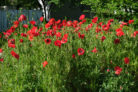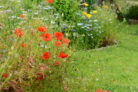
With its massive, glowing red blooms, Oriental Poppies are a total showstopper in any garden. Right as spring starts melting into summer in late May, these beauties take center stage. If you give them a little TLC, you can keep those blooms popping all the way into September. But the big question most gardeners have is: will they come back next year? Let’s dive into whether the Oriental Poppy is a one-hit wonder or a reliable perennial for your flower beds.
Characteristics of the Oriental Poppy
What sets the Oriental Poppy apart from its cousins is a list of perks that make it a favorite in the buttercup family (*Ranunculaceae*). Even though poppies look incredibly delicate and fragile, these wild-at-heart plants are surprisingly tough. The Oriental Poppy, with its herbaceous and persistent growth habit, is a real standout in the durability department. As long as you give it a sunny spot, it’s not very picky about its environment and can even handle dry spells like a champ.
When it comes to size, almost no other poppy can compete. Even the famous red corn poppies you see dancing in summer meadows look tiny compared to the Oriental Poppy’s massive blooms, which can reach up to 6 inches across.
Pro Tip: When you’re shopping at the nursery, you might see these listed under a few different names, like Turkish Poppy, Perennial Poppy, or Garden Poppy. They all refer to the same stunning plant, nodding to its origins in the Orient.
Growth Habits
In the right spot, Oriental Poppies can reach heights of up to three feet. While many poppy varieties are annuals (meaning they only live for one season), this species is a true perennial that returns year after year. Plus, it’s a bit of a traveler—it spreads underground via root runners and above ground by self-seeding.
Overwintering Your Oriental Poppies
The fact that they come back every year is great, but there’s another cool feature that makes them a gardener’s dream: they stay green through the winter.
After the flowers fade in late summer, the plant actually sheds its old foliage and looks a bit dormant. But before fall really kicks in, the poppy sends up a fresh flush of new growth. These new green leaves stick around all winter long, adding a little life to your garden even when everything else is brown.
Oriental Poppies in Your Perennial Bed
If you’re looking for the perfect neighbors for your Oriental Poppies, they play incredibly well with Lupines, Daisies, and Delphiniums. Together, they create that classic, lush cottage garden look that everyone loves.