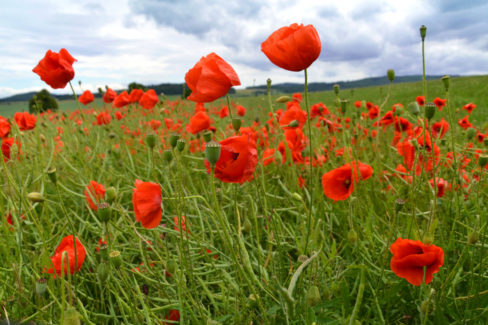
When early summer rolls around and those bright red corn poppies start popping up in fields, it’s hard not to stare. Ever find yourself wanting to pull the car over just to soak in the view? Well, good news: you don’t have to go on a road trip to see them if you grow them yourself! With just a little bit of effort, you can enjoy that iconic red glow right in your own backyard every single day.
Harvesting Your Own Seeds
Sure, you can pick up a packet of poppy seeds at any garden center, but why spend the money when nature provides them for free? Poppies start blooming in May, so keep an eye out for those vibrant red patches in local fields. By July or August, those flowers will turn into dried-out seed pods—that’s your gold mine.
Pro Tip: If you try to shake the seeds out right there in the field, you’re probably going to lose half of them in the grass. Instead, snip the whole pod off and bring it home. Shake it out over a white sheet of paper; the tiny black seeds will be super easy to see, and you can slide them right into an envelope for storage.
Sowing Guide
Timing is Everything
Once you’ve harvested your seeds, you’ll need to be a little patient. The best time to get your corn poppies in the ground is late March or early April.
Pro Tip: It’s best to sow these beauties directly into your garden beds. Poppies aren’t big fans of being moved, so skipping the windowsill starter trays is usually the way to go.
Picking the Perfect Spot
Poppies are total sun-worshippers. They need a warm, full-sun spot to really show off those blooms. Try to pick a place that’s somewhat sheltered from heavy rain, too. These plants are actually pretty tough when it comes to drought, but they absolutely hate having “wet feet.”
Pro Tip: For that “wildflower meadow” look, plant your poppies in groups rather than single rows.
Soil Requirements
To keep your poppies happy, the soil should be:
- Nutrient-rich
- Loose and crumbly
- Well-draining
The most important thing to remember is drainage. Poppies are very sensitive to moisture, so you want to make sure rainwater doesn’t pool around them. While they like some nutrients, they aren’t “heavy feeders,” so you can usually skip the fertilizer. Most importantly, make sure the soil is nice and loose so the plant can develop its signature long taproot.
How to Sow
- Mix your tiny seeds with a little bit of sand before sowing; this helps prevent them from bunching up too closely.
- Scatter the seed-sand mix broadly across your garden bed.
- Give them just a very light dusting of soil on top—don’t bury them too deep!
- Keep the soil moderately moist until they get established.
Pro Tip: Again, skip the transplanting hassle and sow them directly outdoors. Your poppies will thank you!