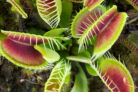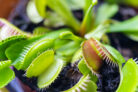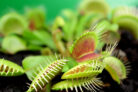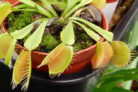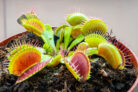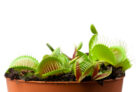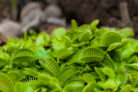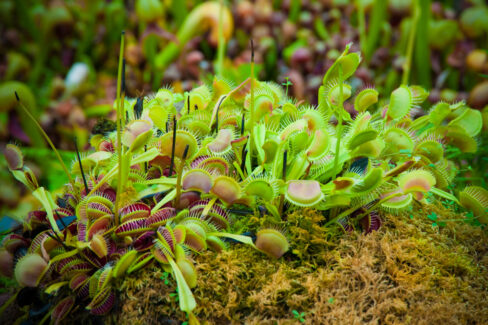
The Venus Flytrap is a fascinating carnivorous plant, but let’s be real—it can be a bit of a diva. It’s definitely not the easiest plant to keep happy, so you’ll need a little bit of a green thumb to help this carnivore thrive. The biggest challenge? Getting it through the winter. Dormancy is a critical time, and if you don’t handle it with care, your plant might not make it to spring.
The Essentials of Winter Dormancy
Venus Flytraps aren’t exactly rugged outdoorsmen; they aren’t winter-hardy and can’t handle freezing temperatures. To make sure yours grows those iconic snapping traps again next year, you’ll need to find it a protected spot. Here is what your plant’s winter home should look like:
- Bright, but away from direct sunlight
- Protected from chilly drafts
- A steady temperature between 50°F and 54°F (10 to 12°C)
- Never let the temperature drop below 41°F (5°C)
- Minimal watering
You’ll know it’s time for winter rest when the plant starts producing fewer and smaller traps. That’s your cue to move it to its winter quarters. A spot in a sunroom or unheated enclosed porch that stays cool but doesn’t get direct, scorching sun is usually perfect.
Go Easy on the Water
Watering is probably the trickiest part of winter care. While your Flytrap needs way less water than it does during the summer heat, you can’t just let it go bone-dry. Most pros recommend giving it a drink about once a month.
If you don’t have rainwater handy during the winter, go for still mineral water. In a pinch, you can use distilled water, though keep in mind it doesn’t offer any minerals. Whatever you do, stay away from tap water—it’s usually way too “hard” (full of lime and minerals) for these sensitive plants.
The goal is to keep the soil slightly damp, never soggy, but never completely parched. It takes a bit of a “feel,” but getting it right is key. Most Venus Flytraps that don’t make it through the winter actually die from drying out, so keep a close eye on that soil!