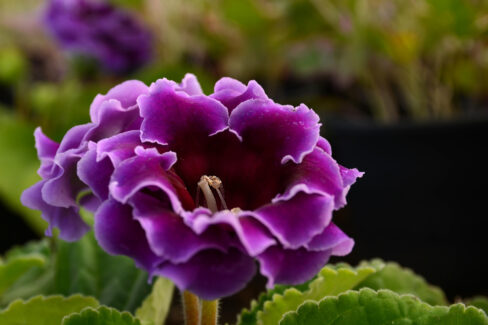
While gloxinias are technically hardy, they have one major weakness: they hate getting “wet feet.” If the tubers sit in soggy soil for too long, they’ll rot before you even see spring. To keep your plants safe and sound, you’ll want to take a few extra steps. Here is my guide on how to successfully overwinter your gloxinias.
Why Winter Can Be Tough on Gloxinias
The biggest threat to a gloxinia tuber is rot caused by standing water. Even though hardy gloxinias can handle the cold, winter weather brings a hidden danger. When snow melts on a sunny winter day, it can create puddles of stagnant water around the roots. On top of that, hungry rodents are often on the prowl for a snack during the colder months, and your gloxinia tubers are unfortunately on the menu. If you aren’t careful, there won’t be much left of your plant by springtime!
To avoid both rot and hungry critters, your best bet is to dig up the tubers before the first hard frost and bring them indoors. A cool bonus? Taking them out of the ground gives you the perfect chance to divide the plant. It’s a super easy way to propagate your gloxinias for free!
Digging Up and Storing the Tubers
First, carefully dig the tubers out of the garden. Before you tuck them away, let them air dry for a little while. Once they’re dry to the touch, place them in a container with dry peat moss or simply pop them into paper bags. Store these bags in a dark, dry spot for the winter. The best part? You don’t have to worry about watering them at all during their “nap.”
Here’s the ideal setup for storage:
- A dark location
- A dry environment
- Cool (but frost-free) temperatures
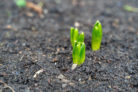
Come March, it’s time to wake them up! You can start them indoors in a pot with some fresh potting soil. If you’re looking to expand your garden, this is the time to divide the tubers. Place the pots in a bright, warm spot and start watering them regularly. You’ll see new shoots popping up in no time. Once the danger of frost has passed in May, you can move them back to their favorite spot in the garden.