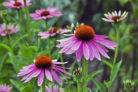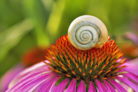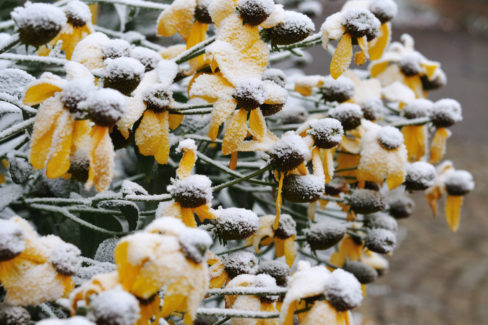
Coneflowers (botanically known as *Echinacea*) are absolute rockstars in the garden, loved for their gorgeous blooms and their impressive ability to handle the cold once they’re established in the ground. However, if you’re growing them in pots, they need a little extra TLC to make it through the winter.
Overwintering in the Garden
Most coneflowers handle American winters like pros. In fact, many of these perennials can withstand temperatures as low as minus 40 degrees Fahrenheit! That said, not every variety is a tough guy, and young plants are more vulnerable. For your “newbies,” here’s what you should do:
- Cut them back to about 6 inches above the ground.
- Cover the base with a cozy layer of brushwood, evergreen branches, or mulch.
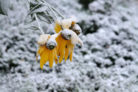
Once your plants are about four years old, you can usually skip the winter protection depending on the variety. You don’t *have* to prune them in the fall, either. I actually recommend waiting until spring before the new growth starts—the dried seed heads look beautiful in a frosty garden and provide food for birds!
Hardy Down to -40°F
The champions of cold-hardiness are usually the original species and heirloom varieties. These classics are tough as nails:
- Echinacea paradoxa (introduced 1913)
- Echinacea pallida (introduced 1840)
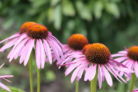
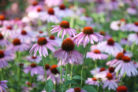
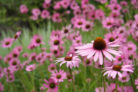
- Echinacea purpurea (the classic Purple Coneflower, introduced 1794)
Moderate Winter Hardiness
Many of the fancy newer hybrids aren’t quite as rugged, usually holding their own down to about 0°F (Zone 7). This group includes popular favorites like:
- Echinacea purpurea “Doppeldecker”
- Echinacea purpurea “Hot Lava”
- Echinacea purpurea “Green Envy”
- Echinacea purpurea “Magnus”
- Echinacea purpurea “Rubinstern”
- Echinacea purpurea “Sunrise”
Overwintering in Containers
When plants are in pots, the frost can attack the root ball from all sides, so your Echinacea will need a “winter coat.” If you decide to prune them before packing them away, make sure to clear out any dead leaves or debris from the pot to prevent rot. Then, follow these steps:
- Wrap the pot thoroughly with burlap, garden fleece, or even bubble wrap.
- Block the rising cold from the ground by lifting the pot onto a wooden pallet or a thick piece of Styrofoam.
- Protect the top by covering the soil with a thick layer of mulch or straw.
Pro tip: Move your pots to a spot against a heated house wall or a sunny, sheltered corner. The wall radiates heat and keeps them just a bit warmer. And don’t forget—on those occasional frost-free days, give them a tiny sip of water so the roots don’t completely dry out!