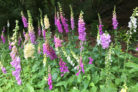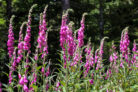
Foxgloves are generally super hardy plants, meaning they don’t need a fancy winter suite to make it through the cold. Here’s everything you need to know about getting your foxgloves through the winter months.
How Hardy Are Foxgloves?
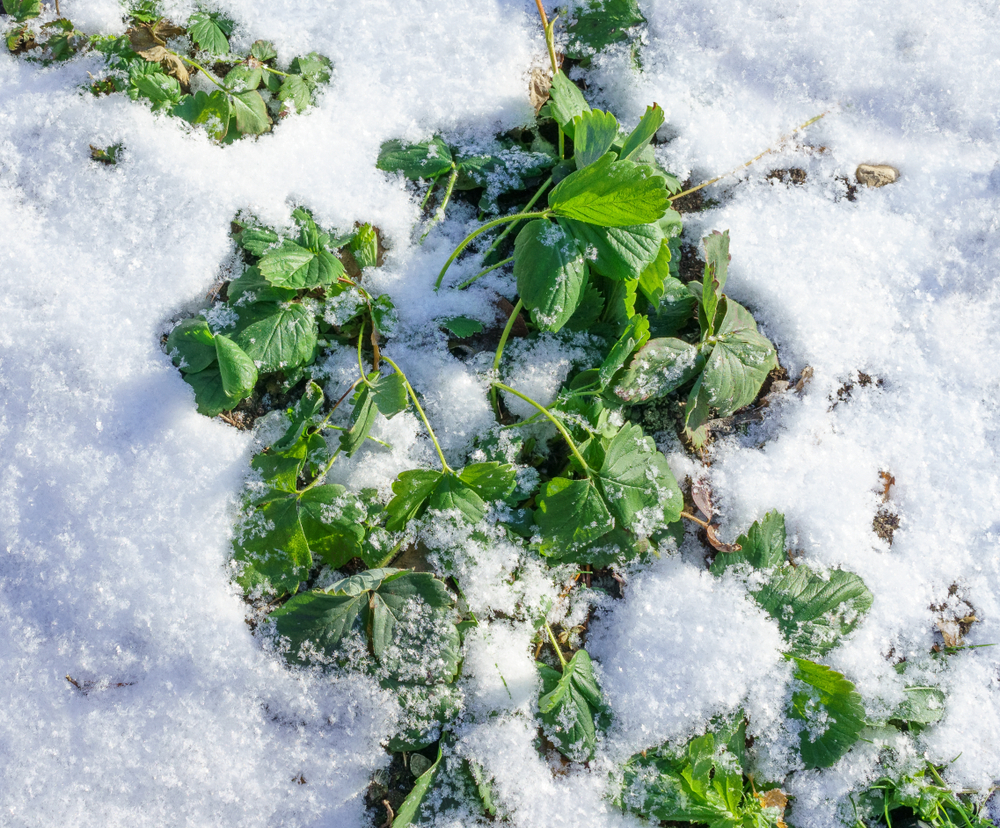
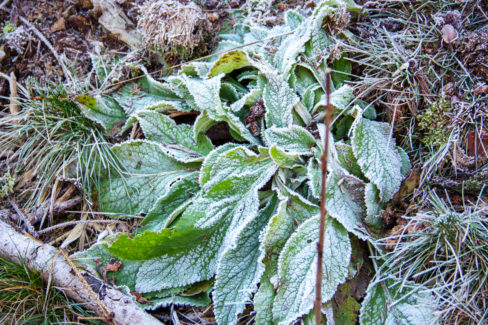
Most of the common foxglove varieties we love are guaranteed to be winter-hardy. This means they can hang out in your garden beds all winter long without freezing. Generally, these tough plants can handle temperatures as low as 0°F (-18°C) without breaking a sweat. Even the seeds that scatter in the fall usually survive the frost just fine, popping up as brand-new seedlings once spring rolls around.
When You Might Need a Little Extra Help
While they are tough, there are a few situations where your foxgloves might need a helping hand to survive the chill. This is especially true if the thermometer dips below 0°F or if you’re growing your foxgloves in containers rather than in the ground.
Protecting Outdoor Foxgloves in Extreme Cold
We don’t always see temperatures drop below 0°F, but if a particularly brutal or long winter is on the horizon, it’s a good idea to give your plants some extra insulation.
You can tuck them in using brushwood, dry leaves, or straw around the base. Garden fleece or burlap sacks also work wonders to shield them from the biting frost. Your plants—especially the parts above ground—will definitely thank you for the extra layer!
Foxgloves in Pots or Balcony Boxes
If you’re growing foxgloves in pots or balcony planters, you’ll definitely want to provide some winter protection. Since there’s less soil in a pot compared to a garden bed, the root ball can freeze much faster. If the roots freeze solid, the whole plant might not make it.
Before the first big freeze, you can prune your potted foxgloves back to just a few inches above the soil. To keep them safe, move the pots to a frost-free spot that stays above 32°F (0°C), or wrap the containers in garden fleece. If you want to be extra safe, you can even bring the pots indoors for the season.