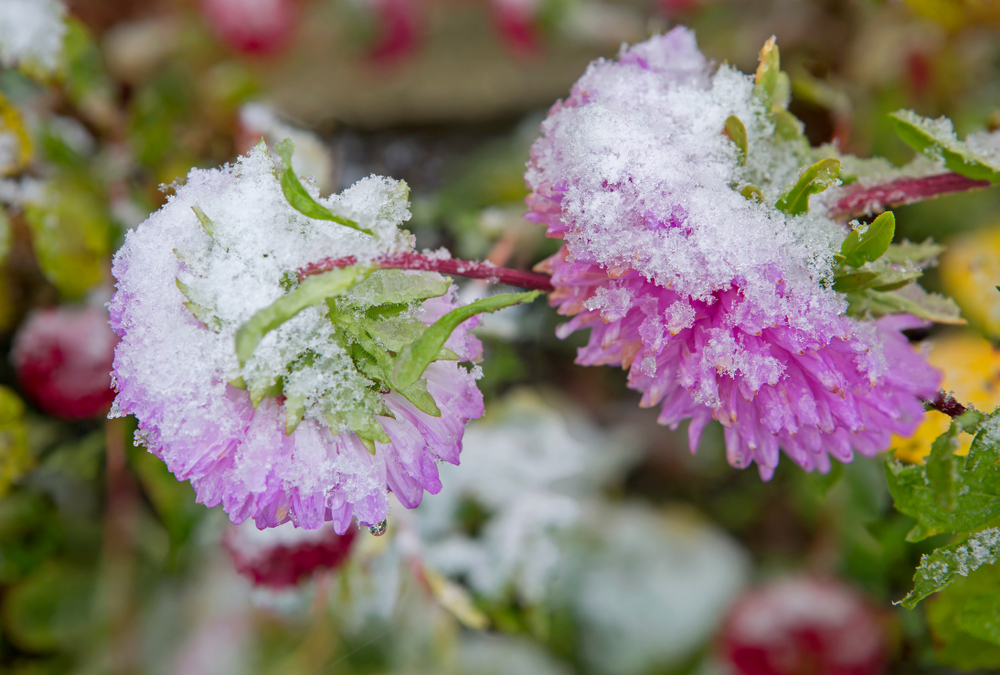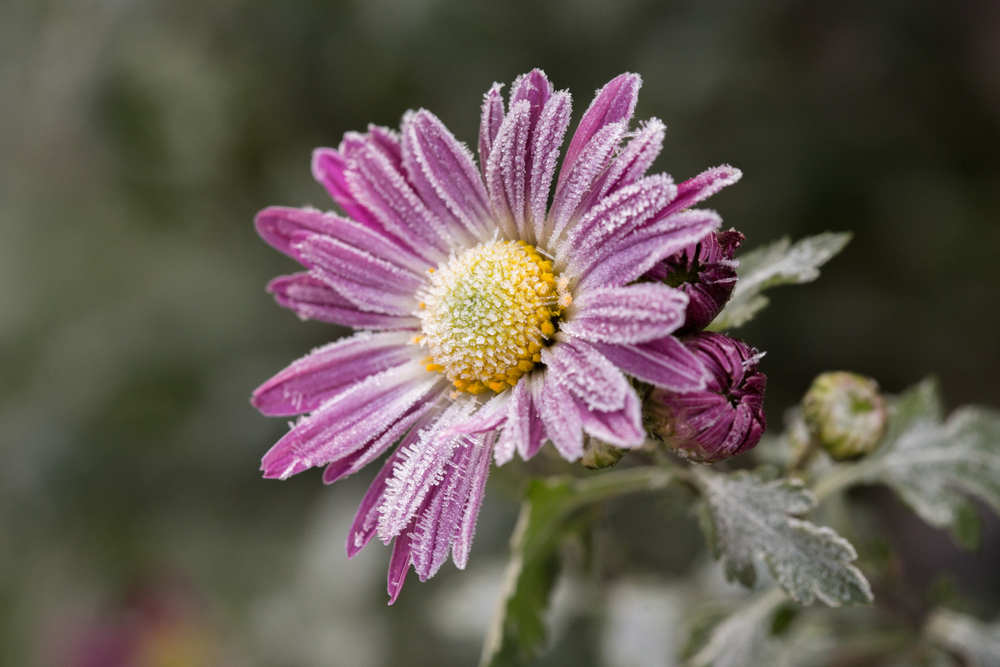
As November winds down, the last of the fall asters are finally fading away. By now, your summer asters have likely called it quits—since they put all their energy into those gorgeous blooms, they usually don’t have the “storage” needed to survive the winter. Even the spring-blooming varieties have been dormant for a while, quietly recharging for next year. To make sure your asters bounce back healthy and strong, a little winter prep goes a long way.
Overwintering Asters in the Garden
Technically, hardy garden asters are pretty tough and don’t need a ton of help. Their old, withered stems actually act as a natural blanket, protecting the roots from freezing. However, many of us like to tidy up the garden by cutting them back early, which strips away that built-in insulation. If you’ve already pruned them, you’ll definitely need to step in. Even though most hardy types have underground rhizomes that handle the cold well, it’s a smart move to give the root zone some extra cover. You can mulch around the base of the plant using:
- Compost
- Brushwood
- Pine or fir branches
- Bark mulch
- Fallen leaves
- Straw or hay
Overwintering Potted Asters
If you have asters in pots or planters, they should stay outside in a bright, cool spot, but they’ll need a bit more “armor” against the elements. I recommend tucking them right up against the side of your house; the wall provides warmth and shields them from biting winds and heavy downpours. To keep that sensitive root ball from turning into an ice cube, place your pots on a wooden board or a piece of Styrofoam to insulate them from the frozen ground. Wrap the entire pot (and the plant itself) in winter fleece or a burlap sack—just make sure they still get enough light! If the winter is dry, give them a tiny bit of water every now and then, but definitely skip the fertilizer for now. Once the temperatures start hitting the 50s consistently, you can ditch the winter gear and prune them back for the new season.