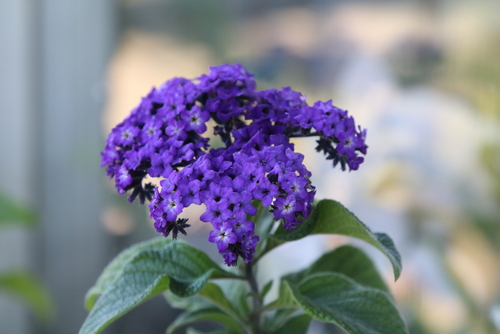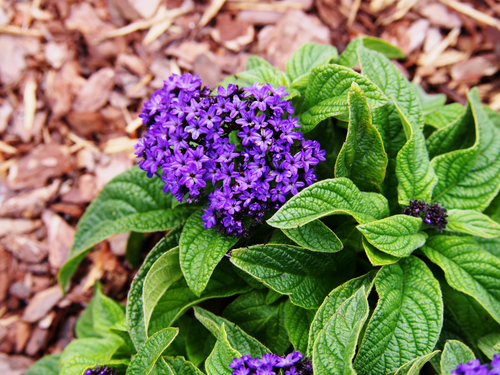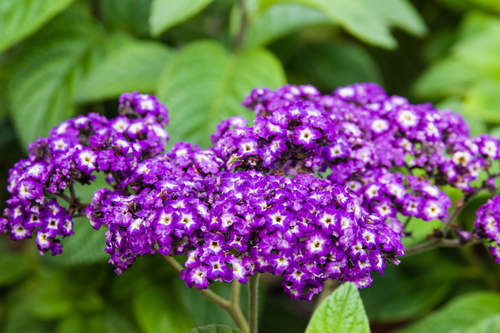
Originally hailing from the Peruvian Andes, the Heliotrope (or “Cherry Pie plant”) is used to a much different climate than what we usually see in the States. While it’s technically a perennial in its tropical home, most of us here in the US grow it as an annual because getting it through a cold winter takes a little extra legwork.
Heliotropes are not fans of the frost
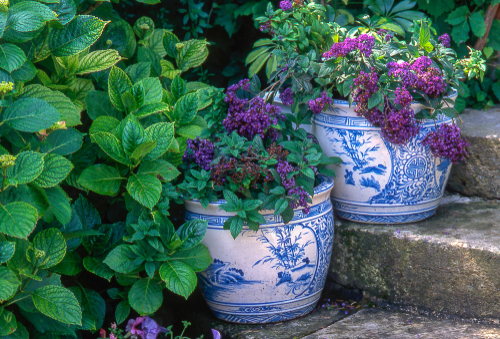
If you’ve got Heliotropes brightening up your garden or balcony, you’ll want to keep a close eye on the thermometer once summer winds down. As soon as those fall temperatures start dipping below 40°F (5°C), it’s time to bring your plants indoors. If they’re already in balcony boxes or pots, just carry them in. If they’re planted in your garden beds, you’ll need to carefully dig them up and transplant them into pots with some fresh potting soil.
Finding the perfect cool, bright spot
To keep your Heliotrope happy through the winter, you need to find a spot that mimics its needs. Look for a location in your home that is:
- Cool (but not freezing!)
- Bright with plenty of indirect light
- Completely frost-free
While your plant is “vacationing” indoors, dial back the watering and skip the fertilizer entirely. The goal here is to let the plant rest. Don’t panic if it starts dropping its leaves—that’s a totally normal part of its winter dormancy.
Acclimating your plants in the spring
Once spring rolls around, you’ll want to help your plants get their “outdoor legs” back. Start by putting the pots outside during the day when it’s warm and bringing them back in at night. This helps them toughen up and get used to the elements again. Just make sure they don’t stay out overnight until the threat of frost has completely passed—usually around mid-May, depending on your local hardiness zone.