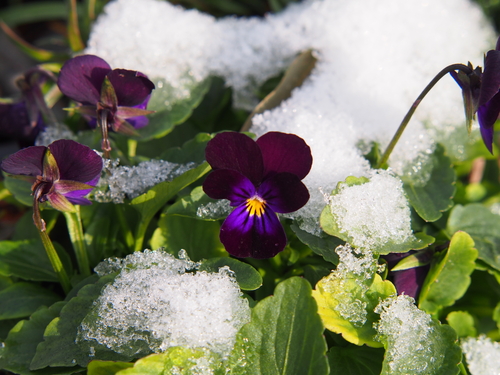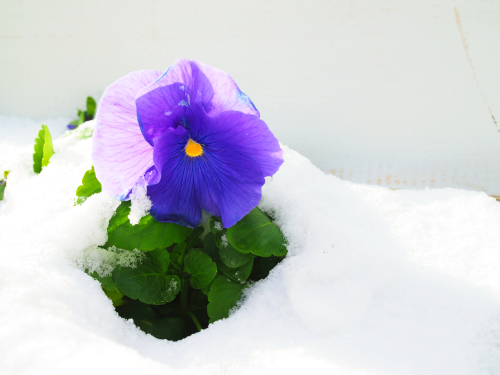
Johnny Jump-Ups (Horned Violets) are absolute favorites for adding a pop of color to garden beds or patio containers early in the season. With a little TLC and the right spot, these hardy little beauties can actually thrive and bloom for two or even more years! However, when winter rolls around, you’ll want to take a few precautions, as not every variety handles a deep freeze the same way.
How Hardy Are Johnny Jump-Ups?
Originally hailing from the chilly mountain slopes of the Pyrenees, Johnny Jump-Ups are naturally used to cool weather. In fact, most can handle temperatures as low as 5°F (-15°C) without breaking a sweat. If your violets don’t make it through the winter, it’s usually due to one of these culprits:
- “Black Frost”: Intense freezing temperatures without a blanket of snow to insulate the ground.
- Wet Feet: Constant rain and poor drainage lead to standing water, which causes the rootstock to rot.
- Old Age: The plant was simply past its prime and didn’t have the energy reserves left to bounce back.
Protecting Your Violets in the Garden
For Johnny Jump-Ups planted directly in your garden beds, start by cutting them back close to the ground in late October. Then, give them a cozy “blanket” using materials like:
- Brushwood or twigs
- Fallen leaves
- Spruce or fir branches
- Garden fleece (frost cloth)
- A layer of compost
You can usually peel back this winter protection by late February. However, if Mother Nature is still delivering hard frosts or a thick layer of snow, it’s best to leave the cover on for a little while longer.
Overwintering Potted Violets
If you’re growing these early bloomers in pots, winter protection is a must. Because containers are exposed on all sides, they can freeze solid, which is a death sentence for the root system. If you have the space, the safest bet is to move the pots to a frost-free spot like a cool basement. Just cut the plants back near the soil line first and keep the dirt slightly moist. If your pots have to stay outside, here’s how to keep them safe:
- Move the containers to a spot shielded from the wind.
- Give the plants a good, heavy trim.
- Place the pots on a sheet of Styrofoam or a wooden board to insulate them from the cold ground.
- Wrap the pot itself in thermal garden fleece, burlap, a coconut mat, or even some simple bubble wrap.
- Cover the exposed soil with fir branches, twigs, leaves, moss, or bark mulch.
You’ll want to remove the protective gear just before the first new growth starts, usually around late February. Just keep an eye on the forecast—if it’s still freezing out, keep them tucked in! Remember: no fertilizer during the winter, and only water them occasionally if they are under a roof and aren’t getting any natural rain.