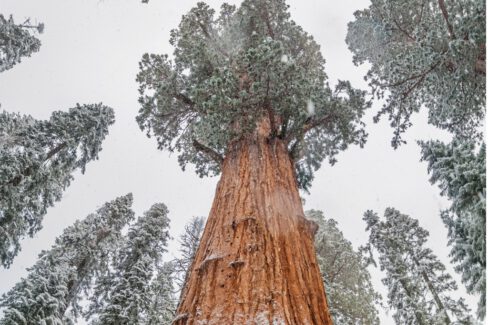
A fully grown giant sequoia is one of the toughest, most winter-hardy trees you can find. However, if you’re raising a youngster, you’ll need to give it a little extra TLC during the colder months. Protecting those sensitive roots is key! Here’s everything you need to know about getting your sequoia through the winter safely.
Are Giant Sequoias Winter-Hardy?
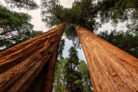
To protect itself from the elements, a sequoia develops incredibly thick, rugged bark. This natural armor protects the tree from:
- Wildfires
- Deep freezes
- Harsh winds
Thanks to this protective layer, a mature tree can handle bone-chilling temperatures as low as -22°F (-30°C), making it a champion of winter hardiness. But here’s the catch: that bark only thickens as the tree grows. Young sequoias haven’t built up their “winter coat” yet, so they’re much more vulnerable to frost and need a bit of help to survive.
How to Overwinter Your Sequoia
If you have a young tree or a freshly propagated sapling, it’s best to keep it in a container for the first year or two. This allows you to move it to a more sheltered spot when the temperature drops. Avoid keeping it in a heavily heated living room, though—they prefer it cool! A chilly basement, a garage, or a bright stairwell is perfect. Even in winter, your sequoia needs moist soil, so don’t forget to water it regularly. You can skip the fertilizer for now, as the tree is in its dormant phase.
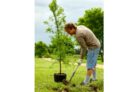
Once your sequoia hits about three feet (one meter) in height—which usually takes a year or two—it’s ready to be planted outside. Keep in mind that while the trunk gets tough, the roots stay relatively sensitive and don’t like ground frost. Since sequoias are shallow-rooted, the cold can reach them easily. Adding a thick layer of mulch around the base is a great way to give those roots some extra insulation.
Why Is My Sequoia Turning Brown in the Winter?
Don’t panic if your young sequoia starts looking a bit off-color! As a reaction to the cold, the needles often turn brown, purple, or even a reddish hue during the winter. This is just a natural defense mechanism and the green color will return once things warm up in the spring. As the tree gets older and more winter-hardy, this seasonal color change will happen less often. Your tree is perfectly fine!