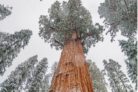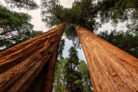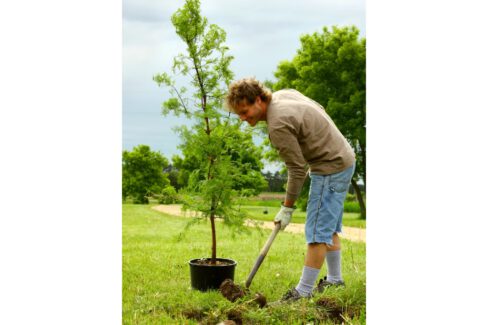
In Europe, Giant Sequoias can reach heights of up to 260 feet. If you’re lucky enough to have a big enough backyard, you can actually grow one of these majestic giants yourself! However, to make sure your tree thrives, there are a few key things you need to keep in mind.
What’s the Best Spot to Plant a Giant Sequoia?
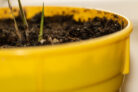
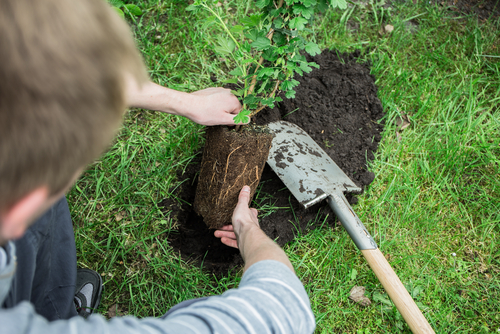
Once your Giant Sequoia reaches about 3 feet in height, it’s ready to be moved into the ground—provided your local zoning laws allow for trees of that size. Before it hits that 3-foot mark, it isn’t quite hardy enough to survive the winter outdoors, so keep it in a container until then. To give it the best growth spurt possible while keeping your property safe, consider these three factors:
- Plenty of elbow room
- A sunny location
- Consistently moist soil
Give Your Sequoia Plenty of Space
Because of their massive scale, Giant Sequoias need at least 50 feet of clearance from other large plants, houses, or structures. Their shallow root systems also take up a lot of space and can easily heave up patio pavers or sidewalks. To keep things friendly with the folks next door, make sure you don’t plant it too close to the property line.
A Giant Sequoia really deserves to be a “specimen tree”—meaning it should stand alone. Planting a second one or another large tree nearby will eventually lead to them competing for space. On the other hand, smaller shrubs or groundcovers are great companions; they help stabilize the soil and give the tree a bit more structural support.
Pick a Bright, Sunny Spot
Giant Sequoias are happiest in full sun to partial shade. If yours is getting direct sun all day, you’ll need to be diligent about watering. Make sure to give it a good soak regularly, especially during the peak of summer. I recommend watering in the early morning or late evening to help prevent the water from evaporating before the tree can drink it up.
Ideal Soil Conditions
While these trees love moist soil, they absolutely hate “wet feet” (standing water). Because of this, heavy, compacted clay soils aren’t ideal. A nice layer of mulch is a lifesaver here—it helps retain moisture and protects those shallow roots from frost during the winter. Plant your tree in loose, nutrient-rich soil. Mixing in some well-rotted compost at the start gives it a fantastic head start, and your tree will definitely appreciate another helping of compost every spring.