Ginkgo trees are actually quite hardy, but if you’re growing one in a pot or looking after a very young tree, you’ll need to step in with some winter protection. For potted Ginkgos, you even have the option of moving them indoors to a frost-free spot for the season.
Caring for Young Trees
Until they hit about five years old, young Ginkgos are pretty sensitive to frost—whether they’re planted in the ground or in a container. In the fall, your main priority should be protecting the trunk. A simple fix is to wrap it in a burlap sack or a coconut fiber mat.
You actually don’t need to worry about wrapping the crown (the branches). In fact, wrapping the top of the tree can sometimes do more harm than good. A wrapped crown creates a larger surface area for heavy snow to pile up, which can lead to branches snapping under the weight.
Keeping Potted Ginkgos Outdoors
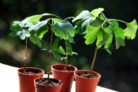
There’s absolutely nothing wrong with keeping your potted Ginkgo outside during the winter. Just like with young trees, you should wrap the trunk. However, you also need to protect the roots, as they are much more vulnerable in a container than they are in the ground.
Wrap the pot itself in burlap, or even use cardboard or newspaper in a pinch. It’s also a great idea to lift the pot off the cold ground by placing it on a sheet of styrofoam or a thick wooden board. One pro tip: make sure to water your Ginkgo during frost-free periods! Often, potted Ginkgos don’t die from the cold; they actually die from dehydration because people forget to water them in the winter.
Frost-Free Indoor Wintering
Another option is to treat your tree like a houseplant for the winter. While the Ginkgo can work as an indoor plant, it still needs a dormant period to stay healthy. This means you need to find a spot with the right temperature and light.
During the winter, keep the temperature at a maximum of 50°F (10°C). An unheated, north-facing room is usually ideal. Avoid sunrooms or living rooms, as these spots tend to get too warm or have temperatures that fluctuate too much. If it’s too cozy, the Ginkgo might start budding way too early, which drains its energy. This can lead to the tree stressed-out and dropping its leaves prematurely once summer rolls around.