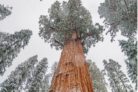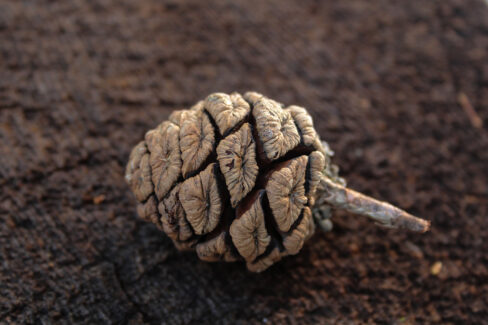
If you’re dreaming of adding a majestic Giant Sequoia or Redwood to your landscape, you don’t necessarily need to run out to the nursery and buy a new one. If you already have a tree or know someone who does, you can actually grow your own! There are two main ways to get the job done:
- Growing from cuttings
- Starting from seed
Growing a Giant Sequoia from Cuttings
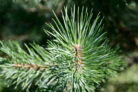
Propagating from cuttings is definitely the easiest route to take. The best time to take your cuttings is in September or October. Look for strong, healthy-looking branches and follow these simple steps:
- Snip off a branch about 8 inches (20 cm) long.
- To give it a little head start, dip the cut end into some rooting hormone.
- Plant the cutting in a pot filled with high-quality seed-starting mix. For a little extra drainage and nutrients, feel free to mix in some sand or humus.
- Place the pot in a bright spot, but keep it away from dry heater vents—they really don’t like that dry indoor air.
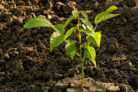
Make sure to keep the soil consistently moist, but be careful not to let it get waterlogged. As soon as you see new growth starting to sprout, it’s time to move your little tree into a larger pot. A bit of fertilizer will help boost its growth during this stage. During the warmer months, you can set it outside for a bit to get it used to the elements. Just remember: young trees aren’t frost-hardy yet, so they’ll need to spend their winters indoors. Once your tree hits about three feet tall, it’s finally ready to be planted out in the garden for good!
Propagating from Seed
You can also try growing these giants from seed, though I’ll be honest—it’s a bit trickier. The seeds are prone to mold, which can definitely lower your success rate. A pro tip to fight this is to mix a little activated charcoal or bird sand into your starting soil.
Since these are “cold germinators,” you’ll need to pop the seeds in the fridge for a few days before planting (the exact time depends on the specific variety). After their cold nap, soak them in water for 24 hours. When you’re ready to plant, just lay them on top of the soil—they need light to germinate, so don’t bury them! If you don’t see any sprouts after about two months, unfortunately, that batch likely didn’t take.