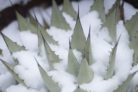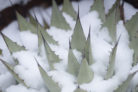
Agaves are the ultimate sun worshippers, and let’s be honest—they aren’t exactly fans of a chilly winter! Even so, these water-storing desert beauties are some of the most popular succulents for home gardens. If you want to keep your agave happy until spring, here’s the lowdown on how to overwinter them properly:
Getting the Light and Temperature Just Right
Native to North and Central America, the Agave family includes over 220 species. Some are surprisingly tough and can handle the winter outdoors (cold-hardy agaves), but the majority need a cozy indoor spot to make it through the frost (non-hardy agaves). For the sensitive types, you’ll want to bring them inside by November at the latest, especially once temperatures start dipping below 23°F (-5°C).
Non-hardy agaves do best in a cool, bright spot while they wait for spring. The key here is the balance between light and heat. Like most Mediterranean plants, if your storage room stays between 40°F and 50°F (5°-10°C), a little natural daylight should be plenty. However, if your space is warmer than 50°F, that weak winter sun won’t cut it. In that case, you’ll need to help your agave out with a supplemental light source, like an LED grow light.
The Best Spots to Overwinter
To keep your agave from stretching out or getting those dreaded yellow leaves, you need the right environment. Here are the best places to “park” your plants for the season:
- Basements with windows
- Bright stairwells
- Attics
- Unheated (or lightly heated) sunrooms/conservatories
Cold-Hardy Agaves
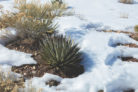
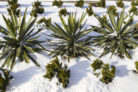
Some agave species can actually stay outside all year, especially if you live in a milder climate. But even these tough guys need a little TLC! You should protect them from the biting cold with a layer of insulation, like evergreen brush or pine boughs.
Since these are desert plants, moisture is actually a bigger enemy than the cold. To keep them from rotting, make sure they have excellent drainage—surrounding the base of the plant with coarse gravel helps a lot. You also want to keep them dry from above. To shield them from rain and snow, move your pots to a dry spot like under a patio roof, a carport, or a covered balcony. This keeps them high and dry while they brave the elements!
Some of the best cold-hardy agave varieties include:
- Agave parryi (hardy down to -4°F / -20°C)
- Agave inaequidens (hardy down to -4°F / -20°C)
- Agave utahensis (hardy down to -4°F / -20°C)
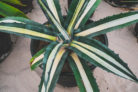
- Agave americana (hardy down to 14°F / -10°C)