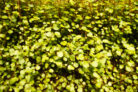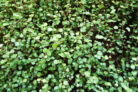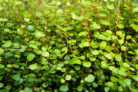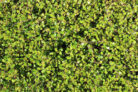
Not all Muehlenbeckia are created equal! Depending on which variety you’ve got in your garden, they can handle the cold very differently. While *Muehlenbeckia complexa* is a bit of a diva when it comes to freezing temps, *Muehlenbeckia axillaris* is actually quite the winter warrior. Let’s dive into how to keep your plants happy when the frost hits.
Know Your Muehlenbeckia Variety
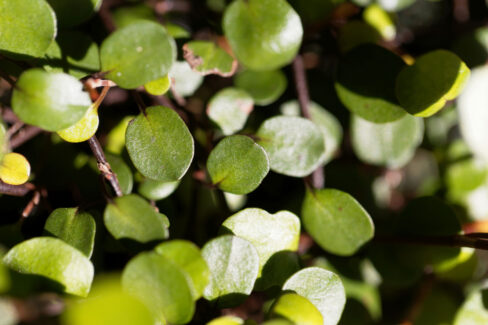
First things first: double-check which variety you’re growing. If you have *Muehlenbeckia complexa*, you’ll want to keep it far away from frost. On the other hand, if you’re growing *Muehlenbeckia axillaris* (often called Creeping Wirevine), you can breathe a little easier. Even though it’s tougher, a few simple steps will help it thrive until spring.
Here’s the quick breakdown:
- *Muehlenbeckia axillaris* is hardy and can handle the winter.
- *Muehlenbeckia complexa* is much more sensitive to the cold.
Proper hydration is also key during the winter months. You want to make sure your plant doesn’t dry out completely, but you also don’t want it encased in a block of ice! The trick is to water your groundcover sparingly. Only grab the watering can on days when the ground isn’t frozen—this ensures the water actually reaches the roots instead of just freezing on top.
Creating a Natural Winter Blanket
Before the first frost arrives, grab some fallen leaves or evergreen branches. Spread them over your Muehlenbeckia axillaris to create a cozy, natural layer of insulation. If your plant is in a garden bed or a container, a bit of horticultural fleece (frost cloth) works wonders too.
By the way, it’s actually good for these plants to feel the chill! If you try to bring them into a warm house for the winter, it can mess with their natural growth cycle. This stress often makes them more susceptible to pests or fungal diseases. Let them have their winter nap outdoors.
One last tip: stop fertilizing by late summer or early fall. You don’t want to encourage new, tender growth on your Muehlenbeckia right before winter. That fresh growth is super vulnerable to the cold and just gives the frost more surface area to damage.