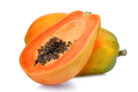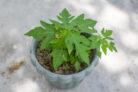
If you’re dreaming of growing your own papaya trees, the first thing you need to do is get to know where these exotic beauties come from. By understanding their roots, you can recreate those perfect tropical vibes right at home, which gives you a much better shot at actually harvesting your own fruit!
Born in South America
The papaya originally hails from the tropical and subtropical regions of South America. That’s why the harvest season usually kicks off just as we’re starting to feel those early summer vibes here in the Northern Hemisphere. Back in the day, Spanish explorers fell in love with the fruit and carried it with them on their travels, spreading it across the globe.
Because they evolved in warm, humid rainforests, you’ve got to mimic those conditions if you want them to thrive. The big secrets? Consistent soil moisture and high humidity. This can be a bit tricky during the winter when indoor air gets dry, so you’ll definitely want to mist the leaves regularly. Even during a dry summer spell, your outdoor plants will appreciate a good spray to keep them happy.
A Global Traveler
Nowadays, papayas are grown all over the world wherever the climate is right. However, if you want to keep them outdoors year-round, you really need a frost-free, tropical environment. Interestingly, the biggest players in the papaya game today aren’t just in South America.
The world’s top papaya producers include:
- India
- Dominican Republic
- Brazil
- Mexico
- Indonesia
Thanks to those early explorers, these exotic fruits made it to every continent—you’ll even find massive plantations across Africa and Australia today.
The Harvest
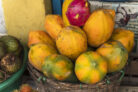
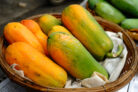
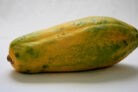
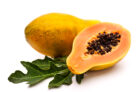
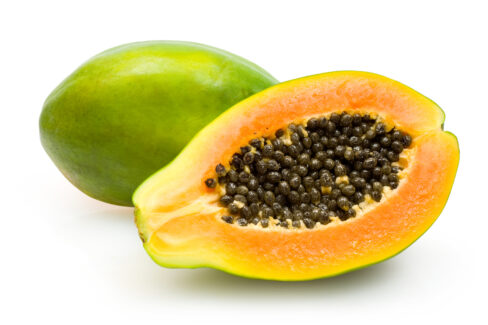
One of the coolest things about the papaya tree is that it’s a perennial that gets down to business fast; you’ll usually see the first flowers within just one year! You’ll know it’s go-time when the skin starts showing its first hints of yellow. Don’t jump the gun and eat them while they’re totally green, but don’t wait too long either—if the skin is completely bright yellow, the fruit might be overripe and past its prime.
Once they’re ripe, papayas have a pretty short shelf life. Be super gentle when picking them because they bruise easily. I recommend resting them on something soft, like some crumpled-up newspaper. Make sure to eat or process your harvest within a few days; usually, after three or four days, they start to lose that perfect flavor and texture.