Aphids are pretty pesky little critters, and they usually show up in massive crowds. Unfortunately, your pear tree isn’t safe from them either. But don’t worry—by keeping a close eye on your garden and jumping in early, you can usually prevent any major damage. Here’s the lowdown on how to handle them.
Aphid 101: What You Need to Know
Aphids survive by sucking the sap right out of your plant’s leaves. Most of the time, they’re green or brown and have two tiny tubes on their rear ends for protection. They use these to spray defensive chemicals at predators. They also secrete a sticky liquid called honeydew. Ants absolutely love this stuff, so they’ll actually act like tiny bodyguards, defending “their” aphids from enemies.
For most species, only the eggs survive the winter. In the spring, the “foundress” aphids hatch and start giving birth to live young—and they have a lot of them! During the summer, if food starts getting scarce, some aphids will actually grow wings. They’ll catch a breeze and fly off to find a fresh new snack bar.
There are two main types of aphids that love pear trees: the Green Apple Aphid and the Rosy Pear Aphid.
The Green Apple Aphid
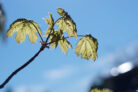
This pear-shaped, lime-to-yellow-green insect grows to about 2.2 mm. Because they suck the life out of the tree, they can damage both the fruit and the foliage. You’ll notice the leaves curling up, turning yellow, and eventually falling off. A dead giveaway that you have an infestation is seeing a “highway” of ants marching up and down the trunk.
The Rosy Pear Aphid
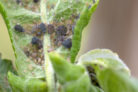
If this 2.5 mm aphid moves in, you’ll see tightly curled leaves and stunted new growth. These insects hang out on the undersides of leaves, huddled together in big colonies. They get their name from their dusty appearance—these grey-blue bugs look like they’ve been sprinkled with white flour. Around June, they usually leave the pear tree to hang out on weeds like bedstraw, only returning in the fall to lay eggs in the bark for the winter.
How to Fight Back
On large, established pear trees, getting rid of aphids is tough, but honestly, it’s usually not necessary. Big trees can handle the stress without permanent damage. However, for young or freshly planted trees, you definitely want to step in. Here are four easy ways to deal with them:
- Give them a blast: Use a strong stream of water from your garden hose to knock them off the leaves. This significantly cuts down their numbers.
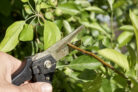
- Prune them out: Simply remove the infested leaves and dispose of them.
- Soap them up: Mix up a soapy water solution and spray the bugs directly.
- Dust them: You can use rock flour (stone dust) to powder the insects, which clogs their tiny breathing pores.
A Simple DIY Insecticidal Soap Recipe
- Dissolve 30 grams of liquid castile soap (or soft soap) in one liter of hot water.
- Simmer 200 grams of fresh fern leaves in 1 liter of water for about an hour.
- Dilute the fern mixture 1:1 with water, then add a teaspoon of vegetable oil and 10 ml of rubbing alcohol.
- Let both solutions cool, mix them together, and spray the mixture undiluted onto the aphids.
Pro Tip: The best way to keep aphids from taking over is to encourage a natural balance in your backyard. Birds, ladybugs, parasitic wasps, and lacewings are all natural aphid predators. They’ll be happy to do the work for you if you keep your garden pesticide-free!