It’s a total bummer when you’re dreaming of juicy, homegrown pears, but your pear tree just isn’t delivering. There are actually a handful of reasons why this happens, ranging from the weather to the age of the tree. To help you figure out what’s going on in your backyard, I’ve put together a quick guide on the most common culprits and how to fix them.
Why Your Pear Tree Isn’t Producing Fruit
There are several reasons why a pear tree might skip a season or drop its fruit early. Let’s dig into the details so you can get your harvest back on track.
- No blossoms appearing
- Lack of pollination
- Late spring frosts
- The wrong location
- The “June Drop”
- Biennial bearing (every other year)
- The tree is still too young
No Blossoms
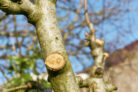
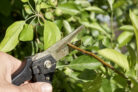
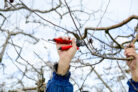
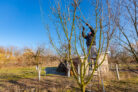
If your pear tree isn’t blooming, you’re definitely not getting any fruit. If you just planted it, the tree is likely putting all its energy into growing tall rather than developing “fruiting wood.” You can actually encourage it to flower by using specific pruning techniques that stimulate blossom production .
Don’t forget to keep an eye out for pests , too. The pear bud weevil loves to destroy blossoms before they even open, and winter moth caterpillars will happily snack on your buds. Check your tree regularly throughout the year to catch these guys early.
Lack of Pollination
Most pear trees aren’t “self-fertile,” meaning they need a second tree of a different variety nearby to cross-pollinate. Plus, you need helpful insects to do the heavy lifting. You can fix this by planting a second variety or even grafting a different variety onto your existing tree. Creating a pollinator-friendly garden will also help attract the bees you need. Just keep in mind that if the spring weather is particularly cold and rainy, the bees might stay home, and there isn’t much you can do about that!
Frost During Bloom Time
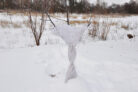
Pears tend to bloom pretty early—usually between late April and mid-May. In many regions, a sudden cold snap during this window is common. The best way to prevent frost damage is all about location. A pear tree planted against a warm, south-facing wall is much safer than one sitting out in the middle of a windy field.
The Wrong Location
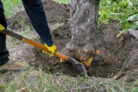
Pear trees are a bit picky; they hate “wet feet” and chilly spots. If your tree is struggling, it might be the location . For a bumper crop, you really need a spot that offers plenty of warmth, protection from the wind, and well-draining soil.
The June Drop
Have you ever noticed your tree dropping tiny pears in early summer? This is called the “June drop.” It’s especially common during dry years because the tree sheds fruit it can’t afford to hydrate. However, a little bit of fruit drop is actually normal—it’s just the tree’s way of thinning the load so the remaining pears can grow bigger.
The Tree is Too Young
When you’re at the nursery, it’s tempting to grab the tallest tree available, but that doesn’t mean it’ll fruit sooner. Large standard or half-standard trees spend their first few years focusing on height. They’ll eventually produce a ton of fruit, but you’ll need some patience. If you want pears ASAP, look for “spindle” or “bush” forms. These smaller trees often start blooming as early as their second year.
Pro Tip: Good pollination is the secret sauce for a great harvest. If you’re worried about space, look for “multi-grafted” trees that have two different pear varieties growing on a single trunk. Problem solved!