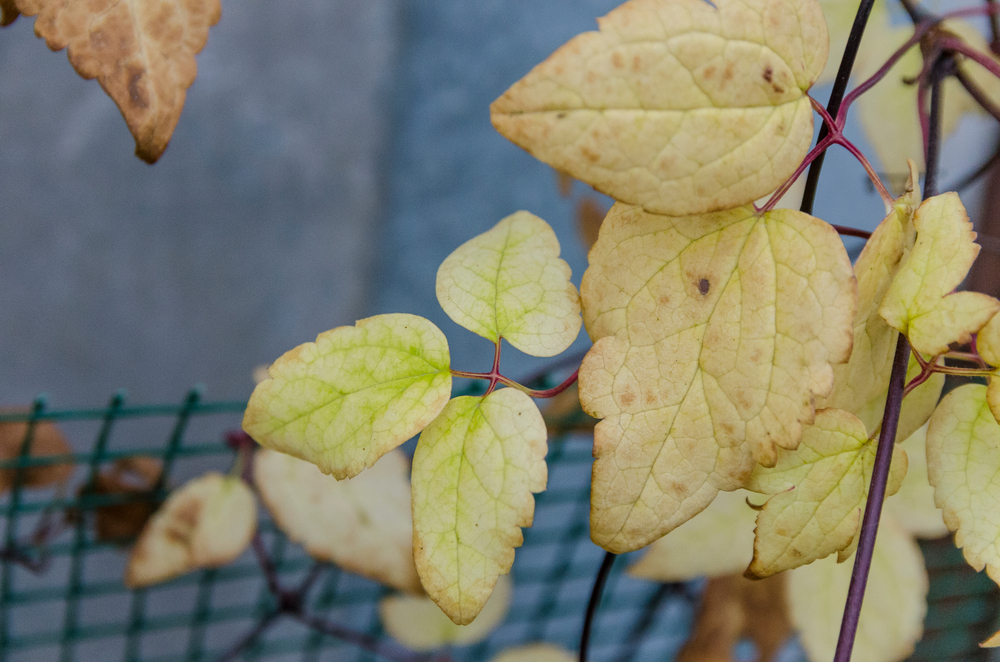
If you’ve noticed your pear tree’s leaves turning yellow, don’t panic! It’s actually a pretty common cry for help. Whether it’s a pesky disease, a nutrient deficiency, or just a little hiccup in your care routine, there’s usually a fix. Let’s walk through what might be going on and how you can get your tree back to its vibrant green self.
Pear Tree Diseases and Pests
Pear trees can run into a few different diseases and pests throughout the season. Yellowing leaves are often the first sign that something is up. Here are the usual suspects:
- Pear Rust
- Rosy Pear Aphid
- Pear Bud Weevil
- Bacterial Infections
Pear Rust
This is a super common fungal issue that actually hitches a ride from nearby juniper bushes. You’ll see yellow spots on the leaves that eventually turn brown before the leaves drop off. It’s a tough one to fight once it starts, so the best move is prevention—try to make sure there aren’t any junipers planted too close to your pear tree.
Rosy Pear Aphid
These tiny sap-suckers love to drain the life out of your tree, which leads to yellowing. You can find plenty of treatments at your local garden center, but a DIY mix of water, a little vegetable oil, and some insecticidal soap often does the trick just as well.
Pear Bud Weevil
Don’t let this little beetle’s size fool you—it can do some real damage. You’ll recognize it by its long snout. It goes after both the buds and the leaves. They are most active in October, so that’s the best time to take action. You can actually shake the tree to get them to fall off, then collect and dispose of them.
Bacterial Infections
If you’re seeing yellow leaves as early as springtime, bacteria might be the culprit. The leaves will eventually turn a muddy olive-gray or brown and fall off. To stop it from spreading like wildfire, prune away any affected leaves immediately. Since bacteria thrive in damp environments, try to water your tree early in the morning so the leaves have all day to dry out in the sun.
Yellow Leaves Due to Nutrient Deficiencies
Sometimes the soil just isn’t giving the tree what it needs. If your tree is “hungry,” its leaves will definitely show it.
Nitrogen Deficiency
If your tree is low on nitrogen, you’ll notice it’s just not growing very much. New leaves will stay tiny, and the older leaves will start turning yellow. A quick soil test can confirm this, and you can fix it by adding a nitrogen-rich fertilizer to your routine.
Potassium Deficiency
Most fertilizers contain potassium. While pear trees don’t need a ton of it, a shortage will cause the areas between the leaf veins to turn yellow, especially on older leaves.
Common Care Mistakes
Young pear trees, in particular, need a steady hand. They need consistent watering and regular feeding to stay happy. If the soil gets bone-dry for too long, the tree will react by turning yellow or even dropping its leaves entirely to save energy.
Pro Tip: It all starts with the right spot! Choose a sunny, well-draining location when planting. If you keep up with a solid maintenance schedule, yellow leaves will be a rare sight in your garden.