When you’re snacking on a fresh apricot, you probably don’t give a second thought to the skin. It’s perfectly edible, and honestly, that’s where all the good-for-you fiber lives! But if you’re planning on canning them or baking a fancy tart, you might want a smoother texture. If that’s the case, you’ll need a quick trick to get those skins off without a struggle.
How to Peel Apricots: A Step-by-Step Guide
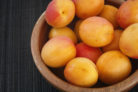
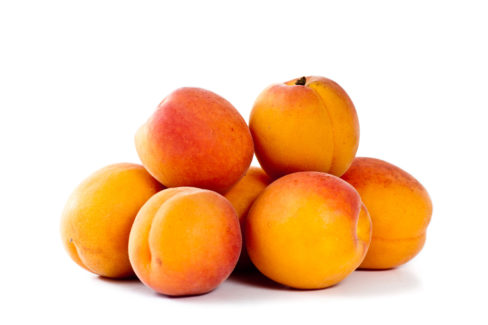
Before you even head to the store or farmers’ market, keep this in mind: always pick ripe fruit. Unlike some other fruits, apricots won’t really ripen properly once they’ve been picked. Unripe ones stay hard, bland, and a bit dry. You’ll know you’ve found a winner if it smells amazing and gives just a little bit when you give it a gentle squeeze.
The best part? Ripe apricots are way easier to peel. Here’s how to do it like a pro:
- Get a large pot of water going on the stove and bring it to a boil.
- Use a sharp knife to score a small “X” in the skin near the stem—just be careful not to cut too deep into the fruit itself.
- Carefully drop the apricots into the boiling water.
- Let them blanch for about one to two minutes.
- Quickly scoop them out and plunge them straight into a bowl of ice water.
- Let them cool down completely.
- Once chilled, the skins should slip right off with the help of a small paring knife.
What to Do With Your Peeled Apricots
Once they’re peeled, just pop out the pits and trim away any bruised spots. Now you’re ready to get cooking! These smooth, peeled apricots are perfect for homemade jam or as a beautiful topping for a summer fruit tart. You can also can them in jars or even dehydrate them to enjoy later in the year.
And don’t limit yourself to just desserts! While apricots are a classic in sweet treats like cobblers or dumplings, they also add a fantastic tangy sweetness to savory dishes, especially in Middle Eastern stews and meat recipes.