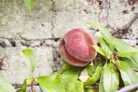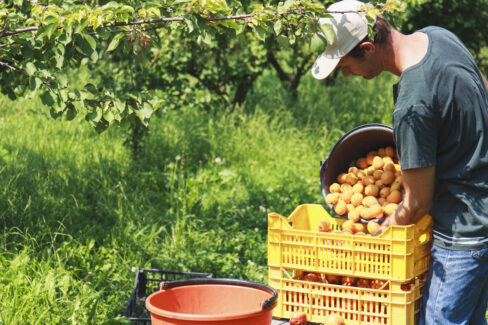
Apricots are a bit like us—they love a mild climate to really thrive! That’s why, in Germany, you’ll mostly find them growing in the gentle, sun-drenched wine regions. If you’re curious about where these golden fruits are popping up across the country, here’s the lowdown.
The Sweet Spots in the Southwest
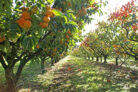
Down in the Southwest, nestled between the Rhine and the Alps, apricot cultivation (or “Marillen,” as they’re often called there) is a huge success. The harvests are bountiful, and the quality is top-notch. In these specific areas, the fruit grows incredibly sweet and flavorful, thanks to all that extra sunshine.
Why Growing Apricots Can Be Tricky Elsewhere
Apricots can be a bit finicky. When they’re hit with rough weather like hail, heavy storms, or constant rain, they become prone to diseases, making the harvest pretty disappointing. While major producers like Spain, France, South Africa, and Turkey have that warm, reliable weather apricots crave, Germany’s climate can be a bit of a gamble. The biggest heartbreak? Late spring frosts. They can wipe out the blossoms in a single night, destroying the entire season’s crop.
Even though the trees themselves are winter-hardy, those early spring blooms are super sensitive. It’s not uncommon to hear news reports about massive crop failures after a sudden cold snap. Because of this risk, growing apricots commercially just isn’t practical in many parts of Germany.
Wine Regions: The Perfect Match
Because the weather makes yields so unpredictable, you won’t find local German apricots in every grocery store. However, the country’s wine-growing regions offer the perfect “micro-climate” perks, such as:
- Higher average temperatures
- Mild winters
- Lower humidity
- Plenty of direct sunlight
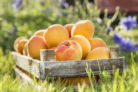
In these lucky spots, farmers grow apricots on smaller plots and usually sell them directly to fans of the fruit at farm stands or local markets.
Growing Apricots in Your Own Backyard
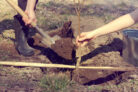
Don’t let the challenges discourage you! If your garden has the right location and conditions, you can absolutely enjoy a successful harvest at home. Plus, there’s some cool science happening in the background—experts are working on new methods for thinning blossoms to ensure the trees don’t get overloaded. Plant breeders are also constantly developing new varieties specifically designed to handle the tougher, “rawer” climates outside of the traditional wine regions.