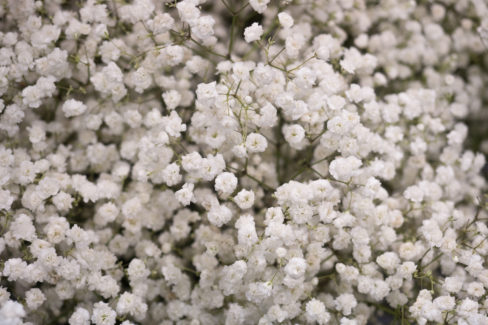
Baby’s Breath comes in so many different varieties, it’s hard to pick just one! They vary quite a bit in color, height, and how long they live. If you’re looking to brighten up your patio pots or balcony boxes, you’ll usually find annual varieties. On the other hand, the taller Perennial Baby’s Breath (*Gypsophila paniculata*) is hardy enough to survive the winter and looks stunning in garden beds. Let’s dive into which varieties come back year after year and how to keep them happy through the winter.
Fan-Favorite Varieties
I’ve put together a quick list of some of the most popular perennial varieties to help you plan your garden:
- Giant Baby’s Breath: This one is a real showstopper, reaching heights of up to 6 feet (180 cm)! It features unique, heart-shaped petals that bloom from June to July.
- Tall Baby’s Breath: A bit shorter than the giant variety but wonderfully bushy. This classic garden staple keeps the blooms coming from June all the way through September.
- Flamingo: This perennial grows to about 4 feet (120 cm) and is famous for its lush, double-petaled pink flowers that glow in the garden until October.
- Creeping Baby’s Breath: If you need groundcover, this is it. It only grows about 4 to 8 inches tall, creating a beautiful “carpet” of white or pale pink flowers. It’s perfect for rock gardens or green roofs and blooms from May to July.
- Pink Beauty: This dreamy variety features subtle, dark pink flowers. It’s a fairytale addition to any garden and blooms from May to July.
- Alba: You can’t go wrong with this classic, elegant white variety. Its flowers grow in delicate panicles that are absolute magnets for butterflies and bumblebees. Expect to see it shining from late April through July.
How to Overwinter Your Baby’s Breath
To get your perennial Baby’s Breath ready for winter, give it a good trim in October. You’ll want to cut the plant back to about 6 inches (15 cm) above the ground. These plants are pretty tough and don’t usually need extra protection from the cold. However, they *hate* “wet feet.” Make sure they stay protected from excessive moisture, as soggy soil can lead to root rot, which is the quickest way to lose your plant.
Don’t Forget to Save Your Seeds!
While only the perennial types are winter-hardy, the annual varieties often offer a much wider range of colors. If you’ve fallen in love with an annual variety, don’t worry—just collect the seeds! You can sow them again the following spring to enjoy those colorful blooms all over again.