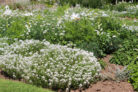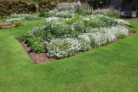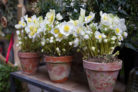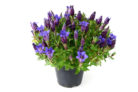
Baby’s Breath (Latin name: *Gypsophila paniculata*) isn’t just a florist staple—it’s actually a fantastic addition to your container garden! While you can find it at any garden center, growing it in pots is especially great for annual varieties. If you want to get those iconic airy blooms right on your patio, here’s everything you need to know about keeping your Baby’s Breath happy in a planter.
Give Those Roots Some Room to Breathe
The most important thing to look for in a pot is size. Often, the plastic containers they come in at the store are way too cramped. To give your plant its best life, you’ll want to repot it as soon as you get it home. These plants are also super sensitive to “wet feet,” meaning they hate sitting in soggy soil. To prevent root rot, always start with a solid drainage layer of clay pebbles or coarse gravel at the bottom of your pot.
Finding the Perfect Sunny Spot
Baby’s Breath is a total sun-worshipper. It loves bright, warm spots, making a sunny balcony the perfect home for it.
To help your potted plants really thrive, follow these simple care tips:
- The Right Soil: Baby’s Breath actually prefers “lean” soil that’s rich in lime. Standard potting soil is usually too rich and dense. Your best bet is to mix your substrate with a bit of sand, lime, or fine gravel.
- Watering: Keep it light! This plant actually enjoys being on the drier side, so don’t overdo it with the watering can.
- Fertilizing: You can actually skip the fertilizer entirely. These plants prefer low-nutrient environments.
If you stick to these rules, your plant will be much happier, and you’ll have a way better chance of seeing that gorgeous cloud of flowers.
If your plant isn’t blooming, the first thing to check is the soil. In containers, it’s easy for the dirt to get too damp or too nutrient-heavy, both of which will stop those flowers from showing up.
Winter Care: Keeping Your Potted Plants Cozy
One reason gardeners love Baby’s Breath is how low-maintenance it is. While perennial varieties are hardy, they still need a little extra protection from heavy frost and drenching winter rains when they’re in pots.
To prep for winter, wrap your pots in bubble wrap or burlap and move them to a spot shielded from the rain. If you have a greenhouse or a sunroom, that’s even better! You can also bring them indoors to a bright, cool room for the season.
Just a heads-up: annual varieties won’t make it through the winter. For those, you’ll want to buy fresh plants in the spring or collect seeds from your current ones before the season ends.