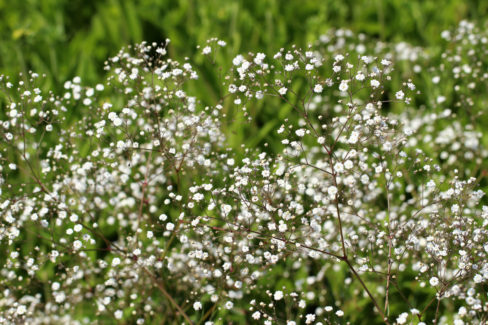
Many garden enthusiasts love the satisfaction of growing their own plants from scratch. While annual summer flowers are the go-to choice for beginners, perennial favorites like Baby’s Breath (Latin name: *Gypsophila paniculata*) are actually surprisingly easy to start from seed, too. If you’re ready to get your hands dirty, here’s my guide on how to master the art of sowing these seeds.
Finding the Best Seeds
You can find seeds for both annual and perennial varieties of Baby’s Breath at most local nurseries or garden centers. My pro tip? Always double-check the label on the seed packet before you head to the checkout. You want to make sure you’re getting the exact variety you’re looking for!
If you’re looking for the widest selection and the best deals, online shops are usually your best bet. However, if you’re feeling a little unsure and need some expert advice, nothing beats a quick chat with a pro at your local greenhouse.
How to Sow Baby’s Breath in Your Garden
Most of the time, Baby’s Breath seeds are sown directly into the ground. Here is the best way to get them started:
- Timing is everything: The sweet spot for sowing is between March and June. You can also try a fall sowing; this gives the plants a head start so they’ll bloom even earlier next year.
- Spread them out: Try to scatter the seeds thinly across your flower bed. If they aren’t all bunched together, the seedlings will have room to breathe, making it much easier for you to thin them out or transplant them later on.
- The finishing touch: Cover the seeds with just a light dusting of soil and mist them gently. I always recommend using a spray bottle rather than a heavy watering can so you don’t wash the tiny seeds away.
Make sure your soil is nice and loose. If your garden bed feels a bit too hard or compacted, try mixing in some sand to improve the texture.
The most important rule? Avoid standing water at all costs! If the soil stays soggy, those delicate little sprouts will rot before they even get a chance. Even once they’ve grown into young plants, keep the watering light to prevent stem rot.
Starting Seeds in Pots
If you prefer a more controlled environment, you can definitely start your seeds in pots. Just be careful not to overstuff the starter tray—less is more here. Cover the seeds with a tiny bit of soil and give them a light misting. To create a mini-greenhouse effect, cover the pot with some plastic wrap or a glass pane, but don’t forget to lift it daily to let some fresh air in!