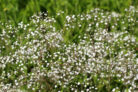
Baby’s Breath isn’t just popular for its dreamy, fairytale look; this low-maintenance beauty can brighten up any garden in a heartbeat with its delicate little blooms. Even though it’s pretty easygoing, Baby’s Breath does need a little TLC to keep it looking its best. Plus, if you time your pruning right, you can actually trick your plant into blooming even longer! Here’s the scoop on how to get the perfect cut every time.
Pruning for a Second Bloom
Did you know many varieties of Baby’s Breath will give you a second show if you trim them back right after their first flowering? You definitely don’t want to miss out on this. It’s a great way to stretch out that gorgeous bloom season.
To do this, just snip off the faded flowers right above the leaves. This encourages the plant to push out fresh new stems. Another option is to do a more thorough cut-back: wait until the plant has finished blooming entirely, then give the whole thing a good trim.
Cutting for the Vase
Baby’s Breath (*Gypsophila paniculata*) is the ultimate “filler” flower for stunning bouquets. It’s subtle enough to play well with almost any other flower, making it a go-to for romantic weddings. Whether it’s used for elegant table centerpieces, decorating the reception hall, or tucked into bridal and bridesmaid bouquets, it always looks classic. For the best-looking arrangements, always wait until the flowers are in full bloom before you snip them.
Cutting Baby’s Breath for Drying
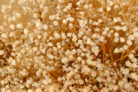
If you love dried flower arrangements, Baby’s Breath is a must-have. It keeps its natural, fresh look even after it’s dried, making it perfect for rustic decor.
Here’s how to do it right:
- Wait until at least midday to cut your stems so the morning dew has completely evaporated.
- The sweet spot for cutting is right when the petals have just opened.
- Carefully snip the stems.
- Bundle them in small bunches and hang them upside down to dry in a breezy spot away from direct sunlight.
The Fall Trim for a Successful Winter
If you have perennial Baby’s Breath in your garden, you’ll want to prep it for winter by cutting it back in early October. Aim to trim it down to about 6 inches above the ground.
While these perennials are pretty hardy when it comes to frost, a little extra protection never hurts. Use some brushwood or dry leaves to mulch around the base—this helps protect the plant from getting too soggy or rotting during those wet winter months.