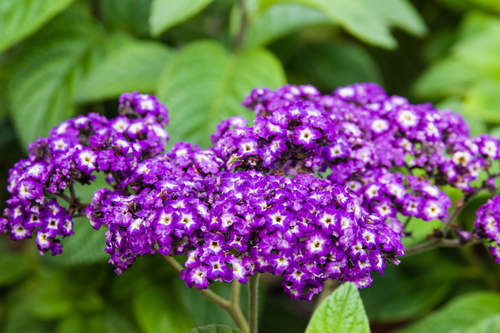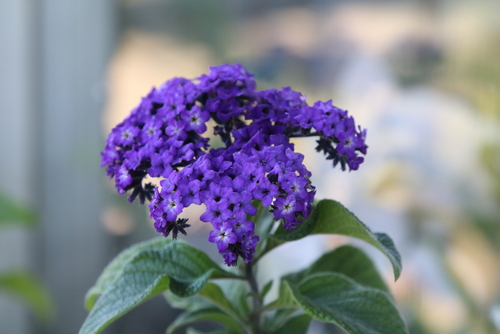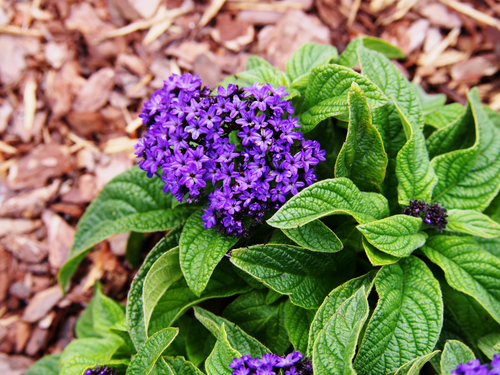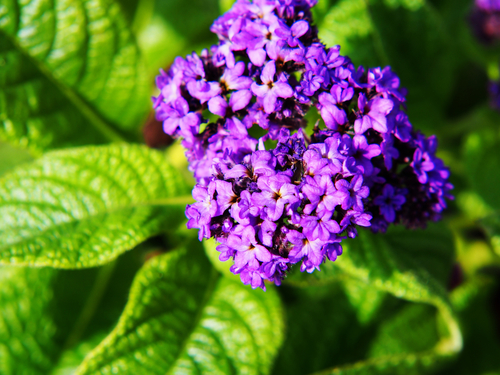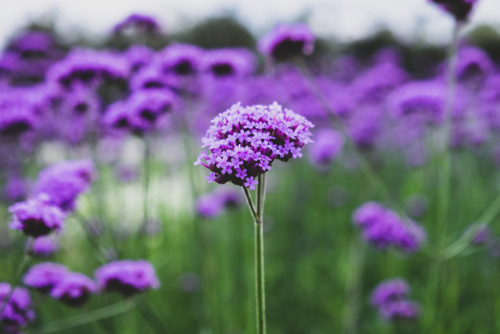
Is the heliotrope (also known as the “cherry pie plant” or vanilla flower) a perennial? Well, the answer is a bit of a “yes and no” situation. Because of its exotic roots, keeping this beauty going year after year can be a bit of a fun challenge for us gardeners.
A South American Native
In its natural habitat in Peru, the heliotrope is a true perennial. However, since the climate in the Andes is a far cry from what we experience in most parts of the U.S., it’s often treated as an annual here. The bottom line is that these plants are not cold-hardy at all. If you leave them outside once the frost hits, their chances of survival are basically zero.
Bringing Them Indoors for Fall
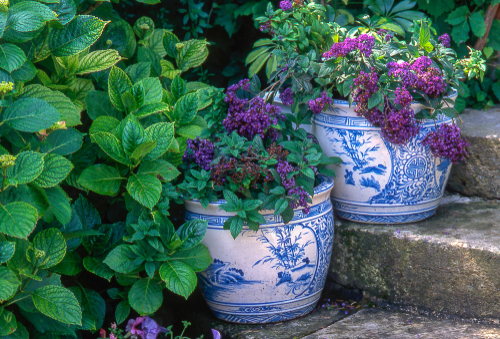
If you want your heliotrope to bloom again next year, you’ll need to bring it inside before the weather turns sour. A good rule of thumb is to move it indoors once temperatures start dipping below 40°F (5°C). If you’ve got them in balcony boxes or containers, just bring the whole pot in. If they’re currently in your garden beds, you’ll need to carefully dig them up and transplant them into pots with fresh potting soil.
To keep them happy through the winter, look for a spot that is:
- Bright (lots of indirect light)
- Cool
- Frost-free
Low-Maintenance Winter Care
The good news is that heliotropes are pretty low-maintenance during their winter nap. You can cut back on watering significantly and stop fertilizing altogether. Don’t panic if they drop their leaves—that’s totally normal for them during the winter months!
Once spring rolls around, you’ll want to slowly acclimate them to the outdoors again. Start by putting them out just during the day. Wait until the threat of frost has completely passed—usually around mid-May depending on your local zone—before planting them back in the ground for the season.