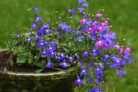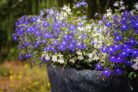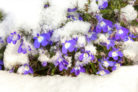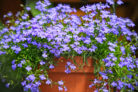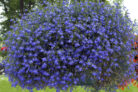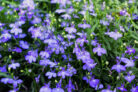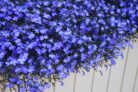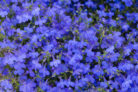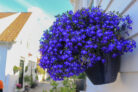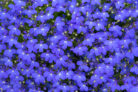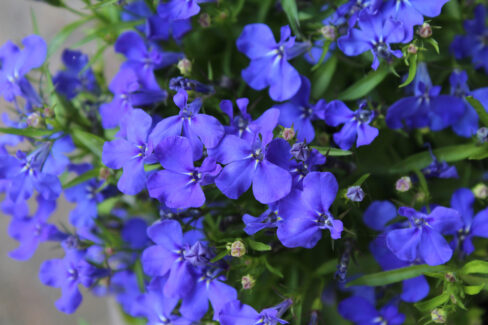
There are so many reasons to fall in love with Lobelia (often called Edging Lobelia). It’s incredibly low-maintenance and those signature vibrant blooms can make any balcony or garden bed pop. While most folks enjoy them for just one season, there are actually perennial varieties out there if you’re up for a little extra plant parenting!
Annual or Perennial?
The classic Blue Lobelia originally hails from South Africa, which means our chilly northern winters are a far cry from the sunny, warm climate it’s used to. Because of this, leaving them outside over the winter is a no-go, and bringing them indoors can be a bit of a project. That’s why you’ll usually see Lobelia sold as an annual that blooms its heart out from June through October and is then tossed. But if you’re like me and hate saying goodbye to your green friends, you might want to try your hand at overwintering a perennial variety.
Overwintering Your Lobelia
Trying to overwinter a perennial Lobelia directly in the ground is a tough gig—you’d need a very mild climate and some serious winter protection to pull it off. It’s much easier if your plants are in pots. Just move them to a bright, cool spot indoors, like a cold frame or an unheated greenhouse. As long as the temperature stays above freezing and you adjust your watering schedule, your plants should make it through the cold months just fine.
A Fresh Start: Sowing Seeds
Let’s be real: for a lot of us, the effort of overwintering is just too much. Most gardeners find it easier to simply buy fresh plants each spring. But here’s a pro tip: you can get a head start by growing them from seed indoors! You can start sowing as early as January. By the time May rolls around and the frost is gone, your young plants will be ready to head outside and soak up the sun.
Perennial Lobelia: The Quick Recap
- You can find both annual and perennial varieties of Blue Lobelia.
- Because they love the heat, they’re often sold as one-season summer plants.
- Most gardeners prefer to plant fresh Lobelia every spring.
- If you want to keep yours longer, you’ll need to overwinter them.
- Keeping them outdoors in winter is nearly impossible in most climates.
- Potted plants do best in a cool, bright indoor spot during the winter.
- Alternatively, start your seeds indoors in winter to have transplants ready by May.