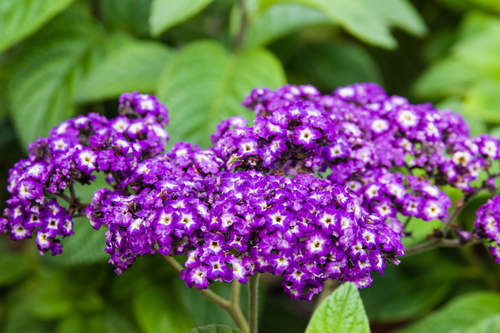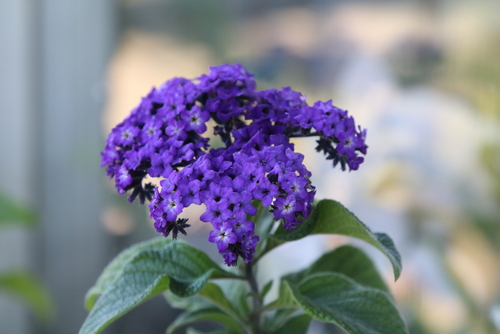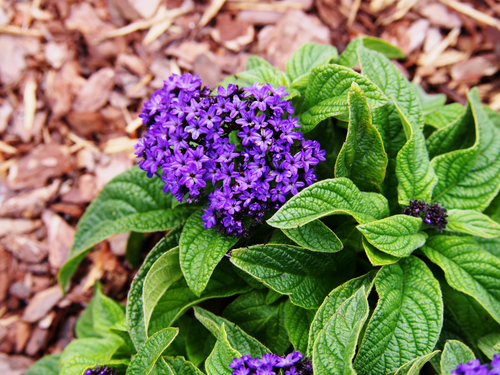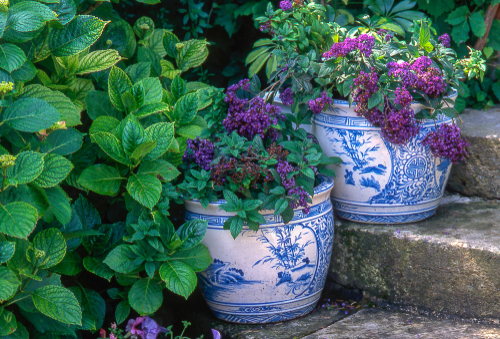
The Heliotrope, also known as the “Cherry Pie plant” for its sweet scent, is a total sun-seeker. It absolutely thrives in the heat, which means it doesn’t stand a chance against a cold winter outdoors. Even though it grows as a perennial in its native home in the Peruvian Andes, most of us here in cooler climates treat it as an annual. But here’s a secret: you don’t have to let it die off when the frost hits!
Moving Indoors for Autumn
Since these beauties can’t handle the chill, you’ll need to bring your Heliotrope inside for the winter. Keep an eye on the thermometer—once those nighttime temps start dipping below 40°F (5°C), it’s time to move. If you’ve been growing them in containers on your balcony or patio, just carry the pots inside. If they’re planted directly in your garden beds, you’ll need to carefully dig them up and transplant them into pots filled with standard potting soil. Pro tip: Dig a wide circle around the base to keep the root system as intact as possible.
Setting Up the Perfect Winter Home
To keep your Heliotrope happy until spring, you’ll want to find a spot in your house that is:
- Cool (but not freezing!)
- Frost-free
- Bright and sunny
During the winter, you can definitely scale back on your Heliotrope care routine. They don’t need nearly as much water as they do in the summer, and you can skip the fertilizer entirely. Don’t panic if your plant starts dropping its leaves—that’s just its way of going into a natural winter dormancy.
Heading Back Outside in the Spring
You’ll want to keep your plants tucked away indoors until the threat of frost has completely passed—usually around mid-May, depending on your local zone. Once the weather starts warming up, you can begin “hardening them off.” On nice days, set the pots outside for a few hours at a time to get them used to the fresh air and direct sun again before moving them back out for good.