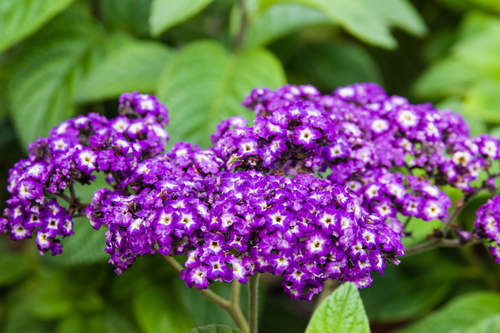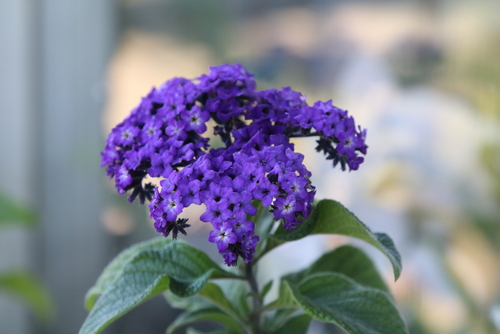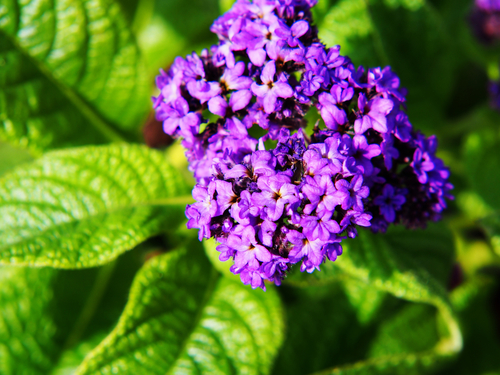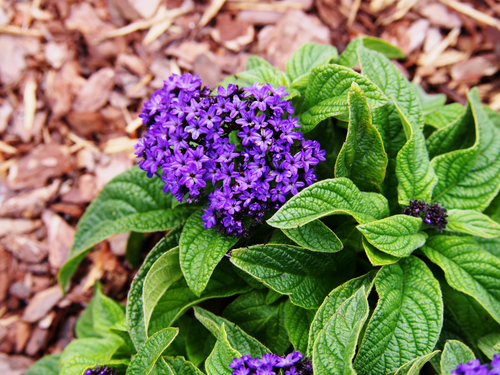
The Heliotrope, or “Vanilla Flower,” is an exotic beauty originally from the Peruvian Andes. With its stunning blooms, it’s no wonder it’s a favorite for many home gardeners. However, there’s a catch: this plant is actually toxic, so you’ll need to be extra careful if you have kids or pets running around.
That Sweet Vanilla Scent
You might hear this plant called by its scientific name, *Heliotropium*, but most of us know it as the Vanilla Flower. It earned that nickname because its blossoms give off a delicious fragrance that smells exactly like—you guessed it—vanilla. If you have little ones at home, you’ll want to think twice before planting these in your garden or on your balcony. That sweet, familiar scent is incredibly tempting and might lead curious kids to try a “taste test.”
Every Part of the Plant is Toxic
The real issue is that every single part of the Vanilla Flower contains pyrrolizidine alkaloids. These toxins can cause permanent liver damage if ingested. In lab studies, these substances have even been linked to genetic mutations and are considered potential carcinogens. Interestingly, trace amounts of these alkaloids can sometimes be found in everyday items like:
- Wild herb teas
- Honey
- Fresh herbs
While the tiny amounts found in food are almost always harmless, eating the plant itself is a completely different story and can be quite dangerous.
Keep Your Furry Friends Safe, Too
It’s not just humans who need to watch out. As those studies suggest, these toxins are just as harmful to our four-legged friends. If you have a dog or a cat that likes to nibble on greenery, it’s probably best to skip the Heliotrope this year to keep your pets out of harm’s way.
No Wintering Outdoors
Another thing to keep in mind is that the Vanilla Flower is definitely not cold-hardy. Once those autumn temperatures dip below 40°F (5°C), these plants have to come inside. This makes things even trickier, as it’s much harder to keep kids and pets away from a toxic plant when it’s sitting right in your living room!