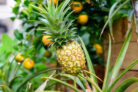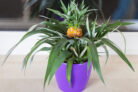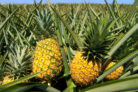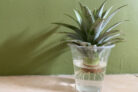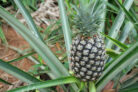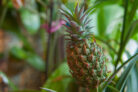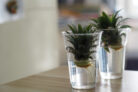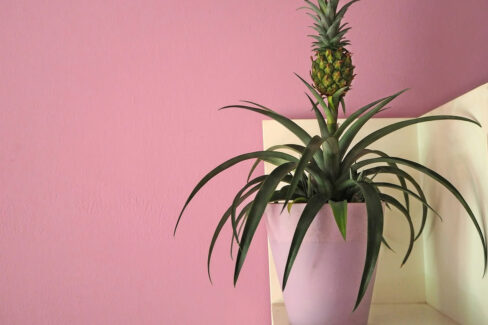
Pineapples hail from the tropical regions near the equator, which means they absolutely love a warm, humid climate all year round. The cool thing is, you can grow a pineapple as a houseplant year-round or let it soak up some sun outdoors during the summer months.
Location Requirements
A pineapple plant is a total showstopper in any room, especially once it starts producing fruit. Since they crave warmth, they’re perfectly happy living in your living room. Ideally, you’ll want to place yours by a south-facing window where temperatures stay at least 77°F (25°C). The tricky part? They love humidity around 60%.
While that humidity level is great for us humans too, most American homes usually sit about 10-20% lower than that. To keep your plant happy, give it a good misting with lime-free water at least every two days. It’s a win-win: your plant stays healthy, and your indoor air quality gets a little boost!
Care Tips
If you’re keeping your pineapple indoors all year, you should skip the fertilizer during the winter. Even in their native tropical homes, pineapples take a little “nap” during the months with less sunlight. From about December through February, just give them a light watering. Once spring hits, you can go back to fertilizing every three to four weeks.
If you’ve had your plant outside for the summer, stop fertilizing as soon as you bring it back into the warm house in the fall. Wait until just before it’s time to go back outside in the spring to start feeding it again. This slow-and-steady approach might mean a slightly slower growth rate, but it saves your plant from a lot of unnecessary stress.
Pro tip: If you bring your plants inside in early autumn, the transition is much smoother. In that case, you can keep fertilizing right up until the end of November.
Ornamental vs. Edible
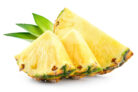
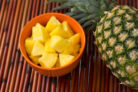
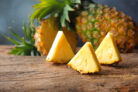
Pineapples are easily one of the most popular tropical fruits out there, and they are incredibly versatile in the kitchen. You can preserve the fruit in all sorts of ways, from jams to jellies, or even dry them for a snack.
However—and this is a big “however”—this doesn’t apply to ornamental pineapple plants. While the fruit on a decorative variety might technically be edible, plants sold as “ornamentals” are often treated with synthetic fertilizers and pesticides that can soak into the fruit. To stay safe, it’s best to treat those fruits as eye candy only, not for eating!