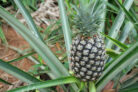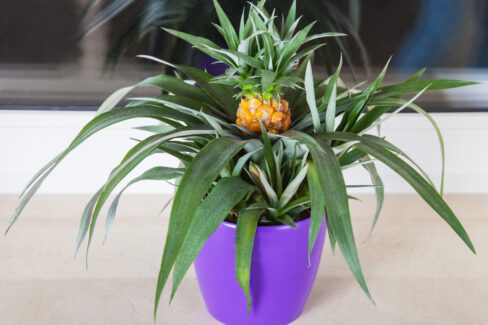
Ever thought about growing your own tropical fruit right in your living room? It’s actually easier than you might think! Growing an pineapple at home is a fun project, and since they’re pretty low-maintenance houseplants, they’re perfect for beginners. Plus, there are a few different ways to get your mini-plantation started.
Growing Your Own Pineapple
The absolute easiest way to grow a pineapple yourself is by using cuttings. You can simply use the leafy top (the “crown”) from a store-bought fruit. If you already have a plant, you can use “slips” that grow from the leaf axils or “suckers” that sprout from the base. While you can grow them from seeds—similar to citrus plants—it’s a huge hassle and takes forever. And just a quick heads-up: even though they look tropical, pineapples aren’t citrus fruits!
To get a new plant started from a crown or a slip, just let it root in a glass of water. It can take several weeks, but the cool part is you can see the roots growing in real-time. Just make sure to change the water every single day until those roots are well-established.
Since pineapples are part of the Bromeliad family, they also produce “pups” or root suckers. If you already have a mature plant, keep an eye on the soil for new shoots. Once these little guys have developed their own roots, you can carefully snip them away from the mother plant and give them their own pot.
The Perfect Spot
Pineapples make great indoor plants because they crave warmth year-round. They’re happiest at around 75°F (25°C). You can definitely move them outside during the summer, but be careful: they aren’t fans of harsh, direct midday sun. This goes for indoor life, too. A south-facing window is great, but maybe place them a row back so the glass doesn’t magnify the heat and scorch the leaves.
The trickiest part of indoor care is humidity. Our homes are usually too dry for these tropical beauties. To keep yours happy, give it a misting every few days. I like to keep a spray bottle of room-temperature, filtered water (or rainwater) right next to the pot. Using room-temp water ensures you don’t give the plant a “cold shock.”
Planting and Soil
Actually planting your pineapple doesn’t require a ton of effort. For young plants, a standard cactus or succulent mix works great. If you’re a DIY fan and want to mix your own, here’s a solid recipe:
Pineapple Substrate Mix:
- 2 parts garden soil
- 1 part coconut coir (peat moss works too)
- 1 part quartz sand or perlite
Make sure to put a layer of expanded clay pebbles (LECA) at the bottom for drainage. Even though pineapples love humidity, they hate “wet feet.” They can handle the soil drying out a bit, but standing water is a death sentence. You can also mix some clay pebbles directly into the soil to keep things nice and airy.
Don’t expect your pineapple to win any races—they grow pretty slowly and don’t get super tall. However, those leaves can reach over three feet long! You don’t need a massive pot to start, but make sure the pot is heavy enough (or the soil is dense enough) so the plant doesn’t tip over once it gets top-heavy.
Watering and Fertilizing
While you can root them in water, once they’re in soil, you want to keep them only moderately moist. The top layer of soil should actually dry out between waterings. Use the “finger test”: stick your finger an inch or two into the soil. If it still feels damp at the tip, hold off on the watering can.
Like most bromeliads, pineapples are pretty “chill” when it comes to food. They don’t need a ton of nutrients. Even though pineapples originate in the tropics, the soil there isn’t actually super thick with humus because organic matter breaks down so fast in the heat. That said, your plant will look much lusher and healthier with a little regular feeding.
I highly recommend using an organic liquid fertilizer. Why? Because if you eventually grow a fruit, you’ll actually want to eat it! If you use harsh synthetic chemicals, it’s better to skip the snack. From spring through fall, feed them every three to four weeks. If your plant is actively growing a fruit, you can bump that up to every two weeks. Just give them a break during the winter months (December through February).