The Pineapple Guava (also known as the Feijoa) is a bit of a “maybe” when it comes to winter hardiness. While this shrub produces delicious edible fruit and can technically stay outside, it won’t survive a real freeze without some serious extra help from you.
Origin Story
People often confuse the Pineapple Guava with an actual pineapple, but they don’t have much in common besides their shared native lands. That said, the Pineapple Guava is much more adaptable to temperate climates.
Originally, this plant hails from Southern Brazil, Argentina, Paraguay, and Uruguay. You’ll even find it in higher elevations there, which is why it can handle a little bit of frost. However, it definitely prefers things on the warmer side. These days, it’s cultivated in warmer spots across Europe and Asia; if you’re in Sicily in September, you can find the ripe fruit for sale at local markets.
Flowers and Fruit
The Pineapple Guava grows as a small tree that can reach up to 20 feet tall. This is a huge difference from its namesake—the pineapple grows as a low-to-the-ground herbaceous plant that rarely tops five feet.
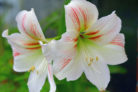
The blooms are classic members of the Myrtle family: beautiful, open flowers with striking red stamens and white-and-red petals. Honestly, many gardeners grow them just for the looks rather than the fruit!
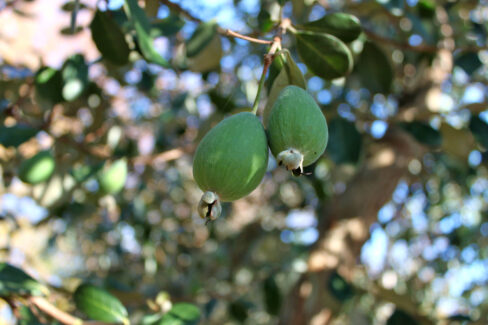
When the fruit is ripe, you can eat it just like a kiwi. One cool pro-tip: Pineapple Guavas freeze incredibly well. While you can freeze regular pineapple, it usually loses some texture and quality. The Pineapple Guava, however, holds up perfectly and can stay in the freezer for up to a year without losing its punch.
Winter Care
You’ll often see the Pineapple Guava labeled as “hardy,” but that’s a bit of a stretch. While they can handle a light dip below freezing, they can’t take sustained cold. If you live in a mild climate (like a wine-growing region), you might get away with overwintering them outside if you wrap them up nice and thick.
For everyone else, it’s much safer to bring them indoors. Keep them in a bright spot that stays frost-free but cool—ideally no warmer than 60°F (15°C). A sunroom or a bright, south-facing room with minimal heating is the perfect winter home for these beauties.