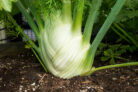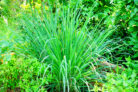
Back in 17th-century Italy, gardeners were already falling in love with the celery root, and that’s where the cultivation we know today really took off. In the wild, you’ll find celery growing all across the Mediterranean, especially in those salty, marshy areas along the coast. Nowadays, we usually talk about three main types: celeriac (root celery), stalk celery (the crunchy stuff we put in salads), and leaf celery.
Finding the Perfect Spot for Celeriac
Celeriac loves a sunny spot in the garden, though it can handle a bit of partial shade if needed. Since its wild ancestors grew in marshes, this plant is a total water-lover. You’ll want to keep your soil consistently moist. If your garden has sandy or dry soil, try mixing in a generous amount of compost in the fall. This helps the ground hold onto water and provides the heavy feeding these plants require. During the summer heat, don’t forget to water! Give them a deep soak every few days if the rain isn’t doing the job for you.
Keeping Things Tidy
Keep an eye out for weeds—celeriac doesn’t like the competition, so pull them as soon as they pop up. It’s also a great idea to gently loosen the soil around your plants every now and then to help them breathe and grow.
Growing Celeriac in Containers
Good news for apartment gardeners: celeriac (and its cousins) grows perfectly well in pots on a balcony or patio. You can start from scratch with seeds or grab some starts from a local nursery. Use a pH-neutral potting soil for the best results. Since nutrients wash out of pots faster than the ground, I recommend using a liquid all-purpose fertilizer to keep your plants well-fed and happy.
Starting Seeds on Your Windowsill
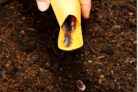
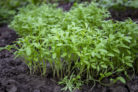
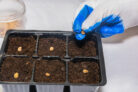
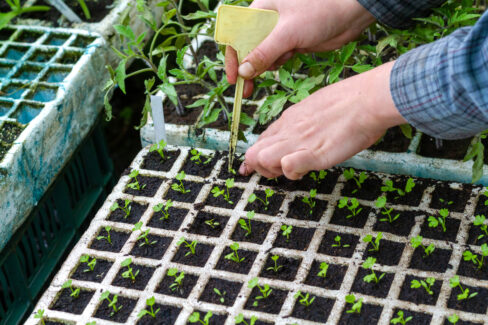
You can get a head start on the season by sowing your seeds indoors in early March. Use a seed tray or small individual pots. Here’s the trick: don’t cover the seeds with soil. Celery seeds need light to germinate! Cover your trays with a bit of plastic wrap to keep the humidity high—the wetter the air, the better they’ll sprout. Keep them in a warm spot (at least 60°F). Once you see the first tiny leaves, you can ditch the plastic wrap. When they grow their first “true” leaves, it’s time to thin them out or move them to larger pots.
Moving Your Seedlings Outdoors
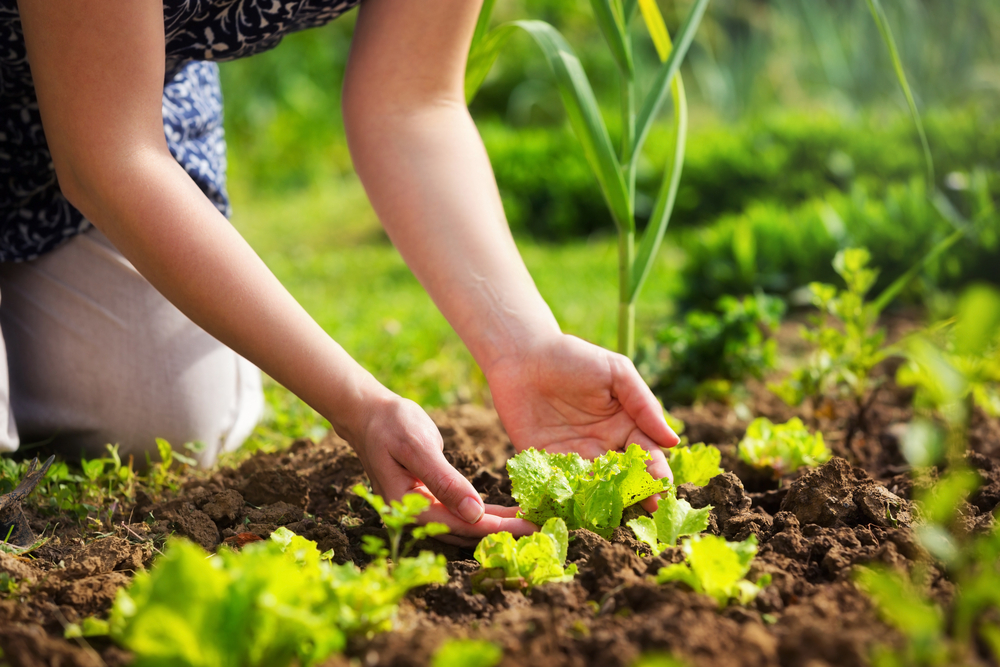
Wait until late April or mid-May to move your babies outside. Here are a few pro-tips for transplanting:
- These young plants are sensitive to frost, so don’t rush them out if there’s still a chill in the air.
- Give them plenty of elbow room—aim for about 16 inches (40 cm) between plants.
- Don’t bury them too deep! If you plant them too far down, the bulb and stalk won’t develop correctly.
- Keep your rows spaced about 16 inches apart as well.
- Feed your plants during the growing phase. They especially love Potassium and Boron (Borax is a great source for the latter).
- Around mid-June, when the root is about the size of a walnut, gently brush away about a third of the soil from the top of the bulb. This actually encourages the root to grow larger and leads to a much better harvest.
- Trim off the lowest-hanging leaves as the plant grows.
Pro Gardener Tip
Every once in a while, give your celery plants a drink of very lightly salted water. It sounds strange, but it actually helps the roots stay nice and bright white!