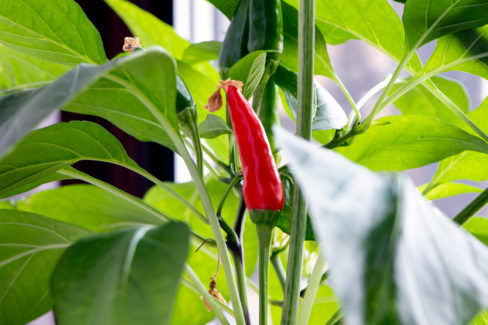
Hot peppers are a backyard favorite, and honestly, growing your own is super rewarding! While they aren’t overly “diva-ish” to care for—they mostly just need regular water and food—there are definitely a few pro tips you can use to seriously boost your harvest.
Starting Seeds Indoors
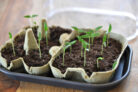
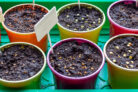
You can totally start your peppers from scratch, but just a heads-up: it takes a bit of patience. You’ll want to get your pepper seeds started by February at the latest. Depending on the variety, they can take up to four weeks just to sprout! Starting early is the secret to making sure you actually get a good harvest before the fall chill sets in.
Because you’re starting so early, you’ll need a little setup. Peppers are tropical at heart; they need a bright spot and a consistent temperature of about 75°F (24°C) to germinate. If it’s too cold (or way too hot), those seeds will just sit there, which drags out the whole process.
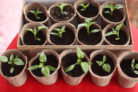
Once your seedlings are strong enough, it’s time to move them into their own pots. They grow pretty slowly, so you can actually “prick them out” as soon as those first seed leaves appear. The stretch between potting them up and moving them outside is the tricky part. They prefer a cooler room (around 50°F/10°C) at this stage. Just remember: the warmer the room, the more light they need. You’ll likely need to use grow lights to keep them from getting “leggy.” If that sounds like too much work, don’t sweat it—plenty of gardeners just buy established starts from the nursery!
Planting Out in May
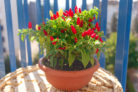
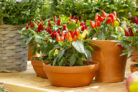
Peppers are total sun-worshippers and hate the cold. Even a light late-spring frost can kill them. Wait until mid-May, when the danger of frost has totally passed, to put them in the ground. If you don’t have a big garden plot, peppers do great in containers too! Just keep in mind that pot-grown peppers dry out faster, so you’ll need to check the soil moisture daily (sometimes twice in the heat of summer).
Whether they’re going in a garden bed or a pot, peppers are “heavy feeders”—they love nutrients. For pots, use a high-quality veggie potting mix or compost. For garden beds, you’ll want to prep the soil first.
Mixing in compost or well-aged manure is the way to go. You can also sprinkle in some rock dust for extra minerals. One thing to skip? Lime. While peppers aren’t totally allergic to it, they aren’t big fans either, as it can mess with the soil pH and make things a bit too alkaline for their liking.
General Care
As long as they stay hydrated and fed, peppers are pretty low-maintenance. But, like most things in the garden, the more love you give them, the more fruit they’ll give you!
During the peak of summer, you might find yourself watering every single day. You should also hit them with a liquid fertilizer every two weeks. If you’re into organic DIY solutions, stinging nettle tea is fantastic. It provides essential nutrients and acts as a natural tonic, making your plants more resistant to pests and diseases.
Pruning for a Better Harvest
Pruning isn’t strictly necessary for peppers, but it’s a great trick to encourage more flowers and fruit.
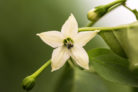
First off, try “pinching” the very first flower that appears (often called the “crown bloom”). It feels wrong to pull off a potential pepper, but trust me—it signals the plant to put its energy into growing more branches and way more flowers later on.
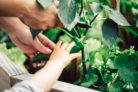
You can also shape the plant to keep it from getting too tall and spindly. Some varieties just want to grow straight up, which means fewer side branches for fruit. If a branch is getting too long, trim it back to about 1 or 2 inches. You can also snip back any stems that aren’t producing flowers yet to jumpstart the blooming process.