Purslane is one of those fantastic, fast-growing summer veggies that rewards you with an early harvest. But here’s a fun gardening fact: there are actually two different plants often called “purslane.” One loves the summer heat, while the other thrives in the cold and is perfect for your winter garden. Let’s break down how to grow both so you can keep your greens coming all year long!
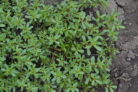
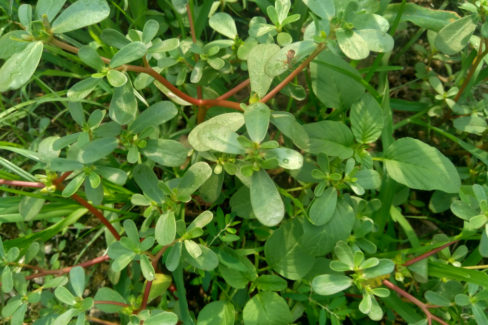
Summer Purslane – Portulaca oleracea
Often called “Common Purslane” or “Verdolaga,” this variety is grown as an annual from seed. Since it’s a total sun-worshipper, you’ll want to wait until mid-May to get started. While you *could* start seeds indoors on a windowsill, this plant grows so fast that it’s usually not worth the extra effort—direct sowing is the way to go!
- Sow seeds in rows or broadcast them over a wide area.
- Aim for a soil temperature between 68°F and 72°F (20–22°C) for the best results.
- Expect to see sprouts in about 5 to 10 days.
- Pro tip: These are light-germinating seeds, so just barely cover them with a thin dusting of soil.
Quick Tip:
To keep a fresh supply of tender young leaves all summer, try “succession planting.” Sow a new batch every 14 days through mid-September.
Moving Seedlings to the Garden
If you did start seeds early, move them outside after the last frost in mid-May. If you sowed directly, just thin them out once they’re established. Pick the sunniest spot in your garden—purslane loves warmth and light! It prefers loose, well-draining soil that stays slightly moist.
Space your plants about 6×6 inches apart. It’s a good idea to mix a little compost into the soil before planting, and give them a good soak right away. After that, you really only need to water them during long dry spells. The best part? You’ll be ready to harvest in just four to six weeks!
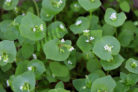
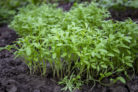
Winter Purslane – Claytonia perfoliata
You might know this hardy plant as Miner’s Lettuce or Winter Miner’s Lettuce. It’s the perfect “second crop” for beds you’ve already cleared out at the end of the season. Unlike its summer cousin, this is a “cold germinator,” meaning it prefers chilly temperatures and a bit of shade. In fact, the seeds won’t sprout well if it’s warmer than 54°F (12°C).
- Sow seeds from late September to early October.
- Cover with about half an inch (1 cm) of soil.
- Thin the seedlings to a 6×6 inch spacing.
Winter purslane is incredibly low-maintenance. You don’t need to fertilize, and rain or snow usually provides all the moisture it needs. You can start harvesting as soon as the stems reach about 4 inches long.
A Quick Heads-Up:
Don’t confuse these edible greens with “Moss Rose” (Portulaca grandiflora). While Moss Rose is a relative of summer purslane, it’s strictly an ornamental flower—its leaves are definitely not for eating!
Watch Out: Purslane Loves to Spread!
Before you go seed-crazy, here’s a fair warning: Purslane is a prolific self-seeder. It produces thousands of seeds just a few weeks after planting, and those seeds can stay viable in the soil for up to 40 years! If you aren’t careful, it can quickly turn from a garden veggie into an invasive weed. The easiest way to keep it under control is to simply pinch off the flowers before they have a chance to drop seeds.