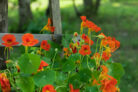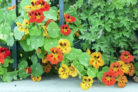
If you’re looking to create a beautiful, productive garden, nasturtiums are an absolute must-have. They are incredibly low-maintenance and so easy to grow that even a total beginner can find success. In this guide, I’ll walk you through everything you need to know to get these vibrant beauties growing in your own backyard.
Why You Should Grow Nasturtiums
Nasturtiums are basically the overachievers of the plant world. It’s no surprise they’re a favorite for so many gardeners. If you’re on the fence, here are a few great reasons to give them a spot in your garden:
- They are super low-maintenance.
- They provide a stunning pop of color.
- They are completely edible and delicious.
- They’re considered a healthy superfood.
- You can preserve them in several different ways.
- They act as a “trap crop” by drawing aphids away from your other veggies.
Whether you have a sprawling garden or just a small balcony, there’s plenty of reasons to make room for them.
When to Plant
The best time to get your nasturtiums in the ground is in May, once the threat of frost has passed. These plants are definitely not fans of the cold, and a late freeze can really do them in. In most climates, they’re grown as annuals that last for one glorious summer. If you want a head start on those blooms, you can start seeds indoors in pots as early as March. Pro tip: soak your seeds in water overnight before planting to help them germinate even faster!
Finding the Perfect Spot
Nasturtiums love the sun, so pick a spot that gets full sun to partial shade. They’ll survive in the shade, but you won’t get nearly as many of those iconic flowers. Also, keep an eye on which variety you’re buying. Some grow in compact, bushy mounds, while others are enthusiastic climbers that will want plenty of room to vine out.
How to Plant
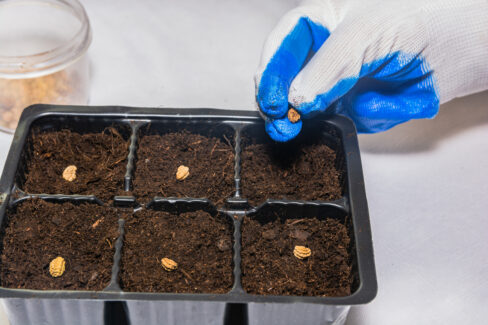
The process is the same whether you’re planting directly in the garden or using a container. Just tuck your seeds into the soil—either one by one or in pairs—and keep the dirt consistently moist. Let the warm sunshine do the rest of the work! You should see sprouts popping up in about 10 to 20 days.
Care and Maintenance
When it comes to upkeep, nasturtiums are pretty hands-off. The main thing is keeping them hydrated. If they’re in the ground, Mother Nature usually handles the watering, but you’ll want to step in with the hose during a long hot spell. For container plants, aim to water about three times a week, or whenever the soil feels dry to the touch. Just be careful not to overwater—they hate “wet feet” (standing water).
As for feeding them, less is actually more. Nasturtiums actually prefer soil that isn’t too rich. If they’re in the garden, a little compost in the spring is usually all they need. If you’re growing them in pots on the balcony, you can give them a little liquid fertilizer about once a month.
The Bottom Line: It Doesn’t Get Easier Than This
Growing nasturtiums is so simple that it’s the perfect project for new gardeners. The “effort vs. reward” ratio is off the charts—you get so many benefits for very little work. So, what are you waiting for? Get some seeds and get planting!