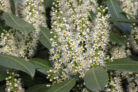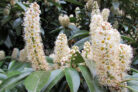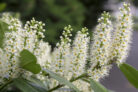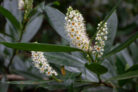
Bayes are generally pretty low-maintenance, but if you want yours to look its best, getting the pruning right is key. I’ve put together a quick guide with some pro tips to help you shape your plant perfectly without stressing it out.
When is the best time to prune?
The best time for that first big trim is in the spring, right after the threat of frost has passed. Try to pick a day that’s dry but not too sunny. Don’t be afraid to be a little bold—bay laurels are vigorous growers, and as long as they are in the right spot, they’ll bounce back quickly once the growing season kicks in. Just keep an eye on the overall shape you’re aiming for. You can always do a little “touch-up” trim later in the year, though one good pruning session is usually plenty.
How to prune your Bay Laurel the right way
First things first: grab the right tools. For bay laurels, I always recommend the old-school manual approach. A good pair of hand pruners (secateurs) and some loppers are your best friends here. I’d steer clear of electric hedge trimmers for this plant. Because bay leaves are relatively large, electric blades tend to shred them rather than cut them cleanly. Those jagged, half-cut leaves don’t just look messy—they turn brown and can actually make your plant more vulnerable to disease.
Step-by-step pruning tips:
- Pick a mild day in spring or fall (avoid freezing temps and whenever the plant is in full bloom!).
- Work carefully to avoid leaving big “holes” in the silhouette.
- Always make your cuts just above a leaf.
- Vary the length of the branches slightly for a more natural, lush look.
- Trim back new growth by about half to encourage the plant to fill out and get bushier.
Timing for hedges and potted plants
If spring is off to a chilly start, it’s totally fine to wait. You really want to hold off until the frost is gone for good, as fresh cuts are super sensitive to freezing temperatures. If you’re dealing with a hedge or a potted bay laurel, you can even wait until June if necessary.
One important heads-up: if you’re pruning later in the spring, check for nesting birds first! It’s actually illegal in many places to disturb nesting wildlife, and you could face a fine—plus, it’s just not very neighborly to the birds. If your laurel is a fast grower, you can give it a second trim in the fall. Just make sure you do it early enough so the plant can recover before winter sets in. After that, make sure you follow the right winter care steps to keep it cozy until next year.